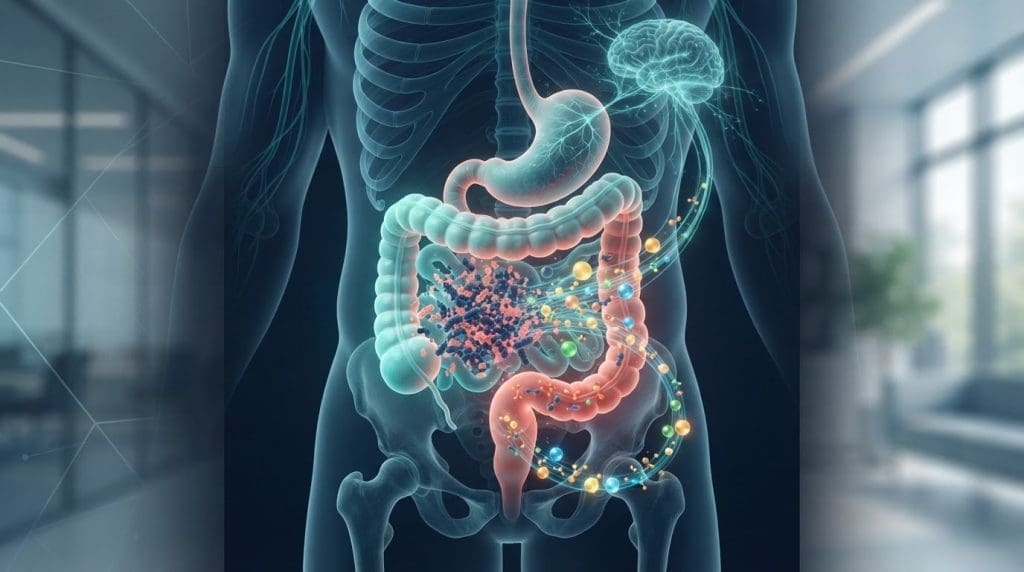
Untreated SIBO can affect more than digestion. The long-term effects of untreated SIBO may include poor absorption of fats and other nutrients, vitamin and mineral deficiencies, and, over time, problems affecting the nervous system and bones. SIBO means small intestinal bacterial overgrowth: excess bacteria in the small intestine can interfere with how food is digested and nutrients are absorbed.
Bloating, abdominal discomfort and changes in bowel habits can be difficult to live with, especially when the cause isn’t clear. Ongoing symptoms don’t automatically mean lasting damage, but understanding the possible long-term effects of untreated SIBO can help you recognise when to seek support.
This article explains how SIBO develops and how it may influence nutrient absorption, vitamin B12 levels, nervous system function, bone health and kidney stone risk over time. It also explores why symptoms and effects can vary, so you can build a clearer picture of what may be happening and what to discuss with a healthcare professional.
Key Takeaways
- SIBO is an overgrowth of bacteria in the small intestine that can disrupt digestion and the absorption of nutrients.
- Reduced vitamin B12 absorption may contribute to anaemia, weakness, fatigue or changes in sensation, including tingling and numbness.
- Ongoing malabsorption can affect several nutrients, with possible consequences for bone health and, in some cases, kidney stone risk.
- Persistent digestive symptoms, unexplained weight loss or signs of nutrient deficiency are reasons to seek advice from a healthcare professional.
- Understanding what may be driving the overgrowth helps put its possible effects into context and informs discussions about appropriate care.
Vitamin B12 deficiency and nervous system problems
Can untreated SIBO lead to malnutrition or vitamin deficiencies? Yes. Excess bacteria in the small intestine can interfere with nutrient absorption, contributing to vitamin B12 deficiency, other micronutrient shortfalls and, over time, malnutrition.
Vitamin B12 is needed for normal nervous system function and the production of blood cells and DNA. In the small intestine, bacteria can both use and synthesise B12, disrupting the amount available to the body. The balance varies, but bacterial activity can contribute to deficiency rather than reliably meeting the body’s needs.
A B12 deficiency can cause weakness, fatigue, tingling or numbness in the hands and feet, and anaemia. In advanced cases, mental confusion can occur. These symptoms have other possible causes, so tingling alone does not establish a SIBO diagnosis; clinicians consider the full picture, including digestive symptoms such as bloating and altered bowel habits.
Nerve symptoms deserve attention because prolonged B12 deficiency can damage the central nervous system, and that damage may be irreversible. This is one reason to discuss persistent numbness, unexplained weakness or worsening fatigue with a healthcare professional, particularly when these occur alongside ongoing digestive symptoms.
When should someone with suspected SIBO seek urgent medical care in the UK? Seek immediate medical care for severe abdominal pain. Persistent vomiting, blood in the stool or signs of dehydration also need urgent attention. Don’t wait for a routine discussion about possible nutrient deficiencies if these warning signs occur.
B12 is not the only nutrient to consider. SIBO can be associated with deficiencies involving several vitamins and minerals, especially when digestion and absorption remain disrupted:
- Vitamin B12: low levels can affect blood-cell production and nerves.
- Vitamins A, D and E: reduced fat absorption can limit these fat-soluble vitamins.
- Iron: deficiency can contribute to anaemia and fatigue.
- Other micronutrients: ongoing malabsorption can add to nutritional shortfalls.
Deficiencies don’t look the same for everyone. One person might notice fatigue, while another experiences tingling or changes in bowel habits. These symptoms can overlap with other conditions, and a normal appetite doesn’t rule out poor absorption. A healthcare professional can assess persistent symptoms and possible deficiencies together, rather than treating bloating alone as proof of SIBO.
The long-term effects of untreated SIBO can involve digestive discomfort and consequences beyond the gut. A pattern of continuing bowel changes alongside numbness or fatigue gives you specific symptoms to describe during an assessment. Note when they began and whether they are worsening, as this helps put possible nutrient deficiencies into context.
Long-term complications of untreated SIBO
Untreated SIBO can disrupt digestion, gut motility and nutrient absorption over time. It may damage the small-intestinal lining and cause lasting gastrointestinal problems, although “long-term” does not mean the effects are permanent in every case.
Possible long-term complications
Severe, ongoing SIBO may lead to malnutrition, weight loss and persistent gastrointestinal discomfort. Excess bacteria can interfere with the digestion and absorption of carbohydrates, proteins and fats, leaving the body with fewer nutrients from food. For example, someone may continue eating normally but lose weight unintentionally while digestive symptoms persist.
The effects can extend beyond a single meal or symptom. Poor absorption may affect several nutrients, while chronic pain and bowel changes can make eating uncomfortable. Persistent symptoms or unexplained weight loss warrant discussion with a healthcare professional. These details can help distinguish an ongoing digestive problem from a short-lived episode.
Severe symptoms need prompt attention. Seek immediate medical care for severe abdominal pain, persistent vomiting, blood in the stool or signs of dehydration. These warning signs call for urgent assessment, rather than waiting to see whether dietary changes settle the problem.
Small-intestinal damage
SIBO may damage the small-intestinal lining, and persistent bacterial overgrowth can contribute to long-term gastrointestinal problems. The lining supports digestion and nutrient absorption, so disruption can compound the effects of poor absorption. This doesn’t mean everyone with SIBO develops permanent injury, but continuing symptoms shouldn’t be dismissed as ordinary bloating.
Motility matters, too. The migrating motor complex helps move food and bacteria through the small intestine and into the large intestine. If intestinal movement is impaired, unwanted microbes may not be cleared effectively and can accumulate. Methane overproduction can slow gut transit and motility, potentially reinforcing this cycle.
This connection helps explain why addressing symptoms alone may not resolve the underlying pattern. Bloating after eating, altered bowel habits and persistent discomfort can occur alongside impaired motility, but symptoms alone can’t establish the cause. A healthcare professional can consider the symptom pattern, medical history and possible underlying conditions together.
For example, someone with recurring bloating and diarrhoea may also have difficulty absorbing fats, proteins or carbohydrates. Another person may experience constipation associated with slowed transit. These examples show why SIBO’s effects vary; neither symptom pattern proves one specific cause.
If ongoing digestive symptoms are affecting eating or daily life, a functional medicine approach can explore gut health alongside potential contributing factors. The aim is to understand the wider pattern, rather than treating one symptom in isolation.
Calcium malabsorption, osteoporosis and kidney stones
SIBO can affect how the small intestine absorbs calcium and other nutrients. Over time, these changes may contribute to bone problems or increase the risk of kidney stones.
Does untreated SIBO cause weight loss, anaemia or osteoporosis? It can contribute to all three: malabsorption may lead to weight loss, iron or vitamin B12 deficiency can contribute to anaemia, and impaired calcium absorption may affect bone health.
Calcium malabsorption and bone health
Calcium malabsorption means the body takes in less calcium from food than it needs. With SIBO, intestinal damage may impair calcium absorption, potentially affecting bone strength over time and contributing to osteoporosis.
Kidney stone risk can also rise through a related process. Disrupted bile acids may impair fat absorption, which can increase oxalate absorption and contribute to stone formation. These are possible complications, not inevitable outcomes of SIBO.
This connection matters because weight changes, persistent digestive symptoms and signs of nutrient deficiencies can occur together. For example, someone with unintended weight loss and ongoing bowel changes should discuss the whole pattern with a healthcare professional, rather than assuming one symptom explains the others.
Malabsorption of dietary nutrients
SIBO can interfere with the absorption of fats, carbohydrates and proteins. Excess bacteria may break down bile salts and disrupt fat digestion; bacterial products can also affect the small-intestinal lining and reduce the absorption of carbohydrates and proteins.
When fat absorption is impaired, the body may also absorb less of the fat-soluble vitamins A, D, E and K. Oily stools can be a sign of fat malabsorption. Poor absorption across several food groups can contribute to weight loss and malnutrition over time.
The causes vary. Impaired gut motility, reduced stomach acid, anatomical changes and underlying conditions can all be relevant; pockets formed after small-intestinal surgery may allow unwanted microbes to grow. A breath test is one part of SIBO assessment, but symptoms and medical history matter too. A SIBO test alone doesn’t show which nutrients are deficient.
Diet changes need care, too. A low-FODMAP diet is restrictive, shouldn’t be followed long-term and doesn’t address SIBO’s underlying cause. If symptoms persist, a healthcare professional can consider possible malabsorption and other causes together, including whether a nutritional assessment is appropriate.

Small-intestinal microbiome and nutrient absorption
The small intestine absorbs nutrients from food, but SIBO can disrupt this process. Excess bacteria may produce gas and other by-products, interfere with digestion and affect the intestinal lining. These changes help explain why digestive symptoms and nutrient shortfalls can occur together.
How is SIBO diagnosed and treated on the NHS, and what are the risks of delaying care? Assessment may include a breath test, while treatment can involve antibiotics under medical supervision, dietary changes and attention to underlying causes. If symptoms continue while assessment is delayed, malabsorption and deficiencies may persist.
Breath testing has limitations. Guts UK states that it is less exact than direct small-bowel sampling, and UK IBS guidelines for gastroenterologists advise against SIBO breath tests for people with IBS. A breath-test result should therefore be interpreted in context, alongside symptoms such as abdominal pain, bloating and changes in bowel habits.
Microbial activity can affect different nutrients in different ways. Excess bacteria may break down bile salts, making fat digestion incomplete and contributing to diarrhoea. Bacterial products may also damage the small-intestinal lining and reduce the absorption of carbohydrates and proteins. Gas production can further disrupt digestion, so symptoms after eating may not point to one nutrient alone.
Fat malabsorption has wider consequences because vitamins A, D, E and K depend on dietary fat for absorption. Bacteria also use and synthesise vitamin B12, which the body needs for normal nervous system function and blood-cell production. These effects can overlap: a person might experience bowel changes alongside fatigue, while another mainly notices poor tolerance of meals.
Antibiotics remain the mainstay of SIBO treatment, although treatment choices and duration are not fully established. Medical management may also consider why the overgrowth developed, such as impaired motility or an underlying condition. Addressing abdominal symptoms alone may leave an important driver unexamined, particularly if symptoms return after treatment.
Nutritional support should reflect the suspected pattern of malabsorption, rather than relying on restrictive eating alone. Reducing fermentable foods, for example, might ease symptoms temporarily, but dietary changes don’t necessarily treat SIBO itself. Guts UK says evidence does not show that the low-FODMAP diet fixes the underlying issue, and it shouldn’t be followed long-term.
The long-term effects of untreated SIBO can involve more than discomfort: ongoing disruption may affect nutrient absorption and nutritional status. If symptoms persist, weight changes or possible deficiencies can provide useful context for a healthcare professional assessing the whole digestive picture.
Definition of small intestinal bacterial overgrowth
Small intestinal bacterial overgrowth, usually shortened to SIBO, means there are too many bacteria in the small intestine. It can happen when bacteria normally found in the large intestine grow in the wrong place. The small intestine is about 20 feet (6.1 metres) long, and its role in digestion makes changes there relevant to nutrient absorption.
Bacteria break down food as it moves through the gut, producing gas. With SIBO, excess microbes in the small intestine can produce more gas as they act on food arriving from the stomach. This may contribute to bloating, belching, abdominal pain, diarrhoea or constipation.
SIBO isn’t simply the presence of bacteria, since the digestive tract normally contains microbes. The issue is excess growth in the small intestine, where it can interfere with digestion. Bacterial activity may disrupt bile salts needed to digest fats, while other bacterial products may affect the intestinal lining.
Several factors can create conditions for bacterial overgrowth. Slowed gut motility may prevent microbes from being cleared efficiently; reduced stomach acid, anatomical changes and underlying conditions can also be relevant. Gastroparesis and hypothyroidism are linked to dysmotility, while pockets associated with diverticulosis or previous small-intestinal surgery may give microbes places to grow.
Symptoms vary and don’t identify SIBO on their own. Bloating, gas, abdominal cramping, altered bowel habits and feeling overly full after a small meal can also occur with irritable bowel syndrome or food intolerance. Fatigue, nausea, reduced appetite and unintended weight loss may accompany digestive symptoms, so the wider pattern matters.
That pattern helps explain why diagnosis involves more than matching one symptom to a label. SIBO assessment typically involves breath testing, although breath tests are less exact than direct small-bowel sampling. In the UK, guidance for gastroenterologists advises against breath testing for SIBO in people with IBS. A test result therefore needs to be considered alongside symptoms and relevant medical history.
Understanding the definition also clarifies why nutritional effects are possible. Excess bacteria may interfere with the absorption of carbohydrates, proteins and fats, and fat malabsorption can affect vitamins A, D, E and K. Bacteria can also use vitamin B12, which supports normal nervous system function and blood-cell production.
If recurring symptoms leave you unsure what to discuss, ask questions about SIBO in a Free 15 Minute Intro chat. A clear account of symptoms, bowel changes and eating patterns can help frame that conversation.
IBS Clinics: Free 15 Minute Intro chat / ask your questions
IBS Clinics offers a Free 15 Minute Intro chat for people with persistent digestive symptoms or questions about SIBO and nutrient absorption. You can use the conversation to explain what you’ve noticed, such as recurring bloating, changes in bowel habits or concerns about possible deficiencies, and ask what support may suit your needs.
Gut Health Tests and guidance on Special Diets may form part of a wider effort to understand digestive health. Gut microbiome testing doesn’t replace a SIBO diagnosis, so results need to be considered in the right clinical context.
If ongoing symptoms are difficult to make sense of, contact IBS Clinics to ask your questions.
Take a considered next step
Understanding the long-term effects of untreated SIBO can help you frame what to discuss. Your next step can be smaller than finding every answer at once: start with the pattern you’ve noticed, including when symptoms occur, how they affect eating and daily life, and what has changed over time. This gives the conversation a practical starting point.
IBS Clinics offers IBS care and Gut Health Tests for people seeking support with digestive concerns. A personalised nutrition consultation can help you explore what may be affecting your wellbeing and which questions matter most to you. You don’t need to arrive with a clear explanation or a perfect record of symptoms.
If you’re ready to talk through your concerns, contact IBS Clinics. Taking one thoughtful step can make the situation feel more manageable.
Frequently Asked Questions
What is SIBO?
SIBO is an imbalance in which too many bacteria grow in the small intestine and can interfere with digestion. It may be considered when symptoms such as bloating, abdominal discomfort and altered bowel habits keep recurring. These symptoms can have other causes, so noticing them doesn’t confirm SIBO. A useful first step is to record when symptoms occur, what you ate and how your bowel habits have changed.
Is there anything I can do myself?
Keep a brief record of symptoms, meals and bowel changes to help explain the pattern during an appointment. Avoid starting a highly restrictive diet or taking supplements for a suspected deficiency without appropriate guidance. Guts UK says evidence does not show that probiotics help SIBO, and the low-FODMAP diet shouldn’t be followed long-term. Seek professional advice if symptoms persist, weight loss is unexplained or pain worsens.
What happens if SIBO is left untreated?
Ongoing SIBO may continue to disrupt digestion and nutrient absorption, contributing to deficiencies, weight loss or malnutrition. The effects depend partly on which nutrients are poorly absorbed and what is driving the overgrowth. For instance, persistent diarrhoea can accompany digestive disruption, while low vitamin B12 can affect nerve function. Continuing symptoms are a reason to seek assessment, rather than assuming dietary changes alone will resolve the cause.
What is small intestinal bacterial overgrowth (SIBO)?
Small intestinal bacterial overgrowth is the full term for SIBO: an excess of bacteria in the small intestine. This differs from the large intestine, where many gut bacteria normally live. In the small intestine, excess microbes can act on food and produce gas, which may contribute to bloating or discomfort. The term describes a pattern of bacterial growth, not a symptom, and symptoms alone cannot establish the diagnosis.
Why is it important to treat underlying conditions with SIBO?
Addressing factors that encourage overgrowth matters because symptoms may return if those factors remain. Impaired gut motility, for example, can slow the movement that helps clear microbes, while anatomical changes may create pockets where bacteria accumulate. A clinician can consider these possibilities alongside symptoms and medical history, helping distinguish an ongoing driver from symptoms that need separate investigation.
What happens if SIBO is left untreated long term?
The long-term effects of untreated SIBO may include continuing digestive problems and nutritional consequences if absorption remains impaired. Ongoing deficiency can affect more than energy levels; vitamin B12 deficiency, for example, may cause nerve symptoms. Persistent symptoms can also interfere with eating comfortably and daily routines. If your symptoms are continuing or changing, note what has altered and discuss the pattern with a healthcare professional.
Can SIBO cause long-term complications such as neuropathy or liver problems?
SIBO-related vitamin B12 deficiency can affect the nervous system, with symptoms such as tingling or numbness in the hands and feet. Advanced deficiency can cause more serious problems, so new or worsening nerve symptoms deserve medical assessment. Liver problems are not a direct complication established by the information in this article. If you have concerns about liver symptoms or abnormal test results, discuss them separately with a healthcare professional.
How does untreated SIBO affect digestion and quality of life over time?
Persistent SIBO symptoms can make meals uncomfortable and everyday plans harder to manage. Someone who feels overly full after a small amount of food, for example, may find eating less enjoyable; bloating or unpredictable bowel habits can also disrupt work or social activities. Symptoms vary and can overlap with IBS or food intolerance. A record of symptom timing and impact can make a healthcare conversation more specific.

Article by
Tracey Randell
Tracey Randell is a Registered Nutritionist and IFM Certified Practitioner (Dip BCNH, IFMCP, mBANT, CNHC), specialising in complex digestive health. She founded IBS Clinics in 2011 and has spent more than 15 years supporting people with SIBO, IMO, SIFO, dysbiosis and long-standing IBS, many of whom have tried several approaches without lasting improvement.
Tracey’s approach is terrain-first. She looks beyond symptoms to the whole gut environment, including digestion, motility, the microbiome, blood sugar and stress. She works with clients across the UK via Zoom, alongside GPs and consultants where appropriate.