

For many, the allure of bananas as a dietary staple is undeniable. Yet, before delving into their potential effects on gut health, it’s essential to consider the insights offered by Microbiome Testing. Such tests provide a comprehensive view of one’s digestive landscape, shedding light on how foods like bananas might interact with it. At IBS Clinics, we’re dedicated to understanding the nuances of the digestive system, and in this exploration, we’ll uncover the intricate relationship between bananas and Irritable Bowel Syndrome (IBS).
Understanding Bananas: More Than Just a Fruit
Bananas are more than just a convenient snack; they are a powerhouse of essential nutrients that play a pivotal role in overall health.
Nutritional Profile:
Vitamins and Minerals: Bananas are rich in essential vitamins like vitamin C and B6. They are also a good source of minerals, particularly potassium, which plays a crucial role in maintaining heart health and regulating blood pressure.
Dietary Fibre: One of the standout features of bananas is their dietary fibre content, especially soluble fibre. This type of fibre is known to aid digestion and provide a feeling of fullness, potentially aiding in weight management.
The Role of Ripeness:
- As bananas ripen, there’s a noticeable change in their texture and taste. This transformation is due to the conversion of starches into sugars. An unripe, firmer and less sweet banana has a higher starch content. As it ripens, the starch converts to sugars like glucose, fructose, and sucrose, making the banana sweeter.
Bananas and Digestive Health: A Dual Perspective
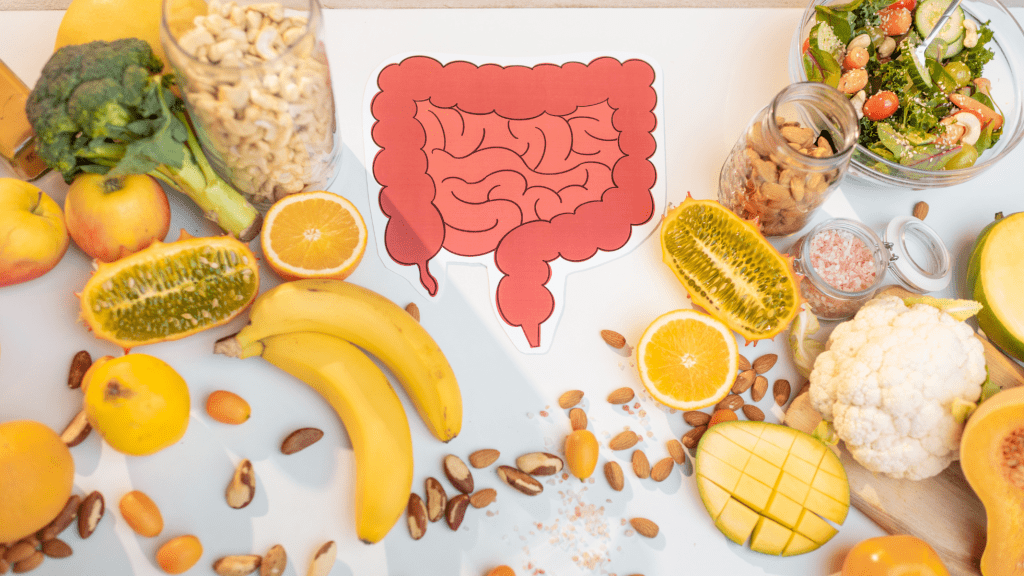
While bananas are celebrated for their nutritional benefits, it’s essential to understand their potential impact on the digestive system, especially for those with IBS.
Lactose Content and Intolerance:
Bananas are naturally lactose-free, making them a suitable option for those with lactose intolerance. However, it’s crucial to consider other ingredients when consuming banana-based dishes or products, as added dairy can introduce lactose.
Dietary Fibre and Digestion:
The soluble fibre in bananas, known as pectin, aids in regulating the digestive system. It can help soften stools, making bananas beneficial for those experiencing constipation. However, excessive fibre intake might exacerbate symptoms for some individuals with IBS, especially those with diarrhoea-predominant IBS.
FODMAPs and Bananas: A Crucial Connection
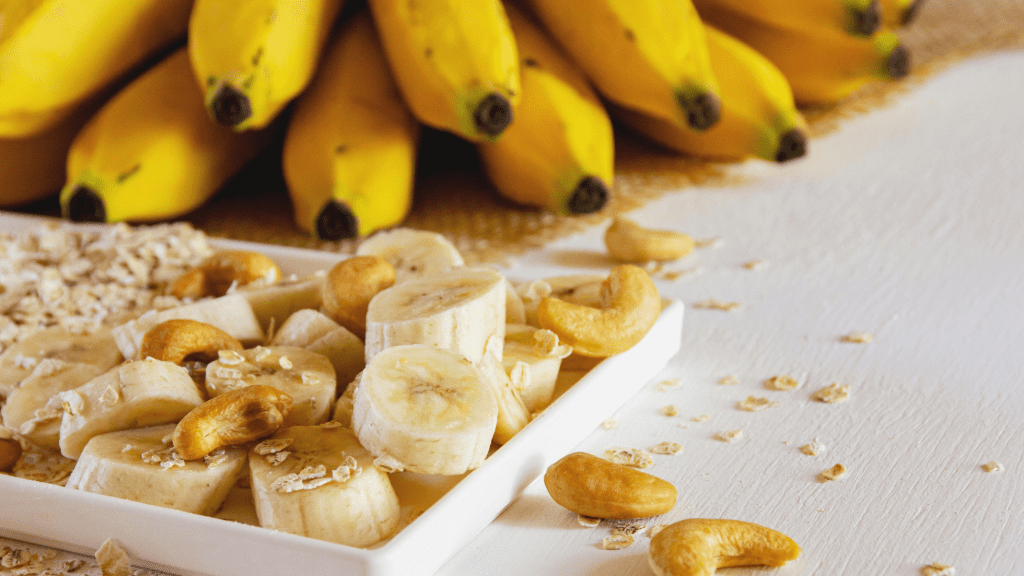
FODMAP stands for Fermentable Oligosaccharides, Disaccharides, Monosaccharides, and Polyols. These are specific types of carbohydrates that can be poorly absorbed in the small intestine, leading to symptoms in those with IBS.
- FODMAP Content in Bananas:
The FODMAP content in bananas varies based on their ripeness. Unripe, or green, bananas contain higher amounts of resistant starch, a type of FODMAP. As bananas ripen, the starch converts to sugar, reducing the FODMAP content. However, very ripe bananas might contain higher levels of fructans, another type of FODMAP.
- Navigating Banana Consumption with IBS:
For those sensitive to FODMAPs, understanding the ripeness and FODMAP content is essential. Consuming bananas that are neither too green nor too ripe might be the best middle ground. Additionally, portion control is crucial, as even low-FODMAP foods can trigger 4. Bananas in Dietary Interventions for IBS
Given their nutritional profile and digestibility, Bananas often find a place in various dietary strategies to manage IBS symptoms.
- Role in the FODMAP Diet:
The FODMAP diet is a common intervention for IBS, focusing on reducing the intake of specific carbohydrates that can ferment in the gut. While unripe bananas are considered high in FODMAPs due to their resistant starch content, ripe bananas, in moderation, can be included in the low-FODMAP phase of the diet.
- Incorporating Bananas Sensibly:
For those following specific dietary interventions for IBS, it’s essential to incorporate bananas sensibly. This means being aware of their ripeness, portion size, and any other ingredients or foods consumed alongside them.
Health Benefits of Bananas: Beyond IBS
Beyond their potential implications for IBS, bananas offer a range of health benefits that can contribute to overall well-being.
Blood Pressure Regulation:
The potassium in bananas plays a crucial role in regulating blood pressure and supporting cardiovascular health.
Energy Provision:
The carbohydrates in bananas provide a quick energy source, making them an excellent option for a pre-workout snack or to combat afternoon slumps.
Prebiotic Potential:
Some studies suggest that the dietary fibre in bananas can act as a prebiotic, promoting the growth of beneficial gut bacteria. This can contribute to a balanced gut microbiome, essential for overall digestive health.
Conclusion
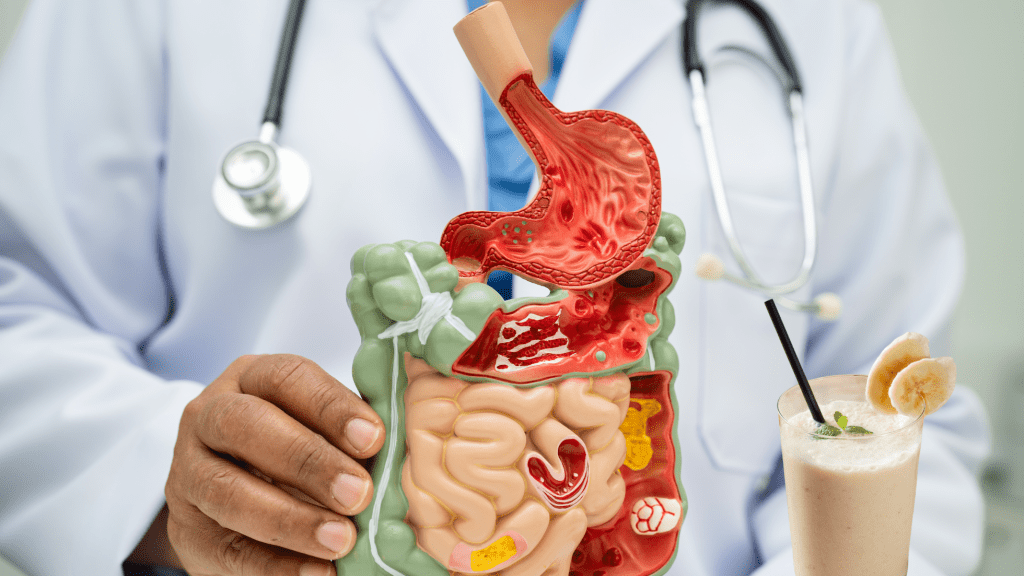
Bananas are a staple in many diets with their rich nutritional profile and versatility. Understanding their potential effects on the gut is crucial for those with IBS. While they can offer numerous benefits, consuming them with awareness and in line with individual digestive needs is essential. At IBS Clinics, we emphasise the importance of personalised dietary guidance. If you’re navigating the complexities of IBS and seeking expert insights, we invite you to reach out to our dedicated team for tailored advice and support.
Author – Tracey Randell
At IBS Clinics, Tracey Randell, a renowned Nutritional Therapist and one of the few IFM Certified Practitioners in the UK, extends her specialised knowledge and unique approach to managing and treating IBS and other gut-related conditions effectively.
Tracey’s profound understanding of Functional Medicine allows her to connect the dots for complex health conditions, identifying and addressing the root causes to curate personalised and comprehensive health plans for her patients. Her holistic approach focuses on resolving underlying imbalances and optimising gut health, enabling the body to correct other issues and attain overall well-being.
At IBS Clinics, we are dedicated to being your partner in navigating your gut-related health concerns, offering expert care and individualised treatment plans to alleviate your IBS symptoms and enhance your quality of life.
You can read more about Tracey on our About page here.
Sources
- Effect of banana consumption on faecal microbiota: Mitsou et al. (2011) conducted a randomized, controlled trial to evaluate the prebiotic effect of banana consumption on fecal microbiota in healthy women. The study found that daily consumption of bananas might induce bifidogenesis, potentially benefiting gut health, though the changes were not statistically significant (Mitsou et al., 2011).
- Clinical studies in persistent diarrhea: Rabbani et al. (2001) explored the dietary management of persistent diarrhea in children with green banana or pectin. The study demonstrated that green bananas could significantly reduce diarrhea symptoms and have beneficial effects on gut health, suggesting a role in dietary interventions for IBS (Rabbani et al., 2001).
- Bioactive compounds in banana: Singh et al. (2016) reviewed the health benefits and bioactive compounds of bananas, including their potential prebiotic effects that could promote gut health and alleviate symptoms of digestive disorders like IBS (Singh et al., 2016).
- Synbiotic supplementation with green banana resistant starch: Shinde et al. (2020) studied the effects of synbiotic supplementation with green banana resistant starch and probiotic Bacillus coagulans spores on gut inflammation in a mouse model of inflammatory bowel diseases. The study found that synbiotic supplementation ameliorated gut inflammation and could be an effective dietary strategy to mitigate inflammation in human IBD, suggesting potential benefits for IBS management as well (Shinde et al., 2020).


