

A Functional Medicine Practitioner helps identify and address the root causes of health issues rather than only treating symptoms. They look at how diet, stress, sleep, lifestyle, and gut health all interact, using evidence-based methods to restore balance and improve function. For people with IBS, an FMP or IFMCP (Institute of Functional Medicine Certified Practitioner) can uncover digestive triggers, support microbiome health, and guide sustainable lifestyle changes that lead to lasting relief.
Functional medicine is an approach to healthcare that looks beyond symptoms to understand the why behind them. Instead of simply managing a condition with medication, it focuses on identifying and addressing the root causes of illness by looking at the body as one interconnected system. This means exploring how factors such as diet, stress, sleep, lifestyle, and environment all interact to influence overall health. Take a look at our article How to Improve Gut Health Naturally for more examples of this in practice.
At IBS Clinics, this is the foundation of how we work. The clinic is led by Tracey Randell, registered nutritionist and Institute of Functional Medicine Certified Practitioner (IFMCP), who takes a personalised, science-based approach to supporting gut health and wellbeing.
In this article, we’ll explain what a Functional Medicine Practitioner does, how this approach differs from conventional care, and what you can expect if you’re considering working with one, especially if you’re looking to improve your digestive health.
What Is a Functional Medicine Practitioner?

A Functional Medicine Practitioner (FMP) is a healthcare professional who focuses on finding and addressing the root causes of illness rather than just managing symptoms, while an Institute of Functional Medicine Certified Practitioner (IFMCP) is an FMP who holds certification recognised by the Institute of Functional Medicine. Practitioners certified in functional medicine are leaders in their field, recognised for their knowledge, skill, and expertise in functional medicine. For simplicity, we will refer to both FMPs and IFMCPs as FMPs throughout this article.
Instead of treating each problem in isolation, FMPs look at how the different systems of the body (digestive, hormonal, immune, and nervous) work together and how imbalances in one area can affect another.
This whole-body, systems-based approach recognises that health isn’t just about the absence of disease, but about how well the body functions as a connected network. An FMP considers the full picture from nutrition and lifestyle to stress, sleep, environment, and genetics, to understand what may be driving your symptoms.
For someone struggling with digestive issues or IBS, this might mean looking not just at what you eat, but also how stress affects your digestion, whether your gut bacteria are balanced, and how your sleep, hydration, and environment contribute to your overall gut health.
The Functional Medicine Approach: How It Works
Functional medicine places health in the context of how your body’s systems interconnect. Instead of treating each symptom in isolation, an FMP works to uncover underlying imbalances by exploring how diet, stress, sleep, environment, gut health, and emotional wellbeing interact.
The process often looks like this:
- In-depth assessment & history: your FMP will ask detailed questions about your diet, lifestyle, stress levels, sleep, medical history, environment, and symptoms.
- Testing where needed: this might include gut microbiome tests, inflammation markers, nutrient panels, or other functional labs.
- Tailored intervention plan: combining nutrition, lifestyle changes, stress support, sleep optimisation, and sometimes targeted supplements to restore balance.
Recovery is seen as a collaborative journey. The practitioner guides and supports, but you must engage actively in the process for the best outcomes.
Scientific Basis & Evidence Supporting This Approach

Rather than being ungrounded, functional medicine taps into evolving research in areas such as the gut microbiome, inflammation, and personalised nutrition:
- The gut microbiome (the trillions of microbes in your intestines) is strongly implicated in health and disease. Changes in microbiome composition have been linked to chronic inflammation, gut barrier dysfunction, and immune dysregulation.¹
- Diet-microbiota interactions show that people respond differently to diets depending on their gut microbial composition, which is the foundation for precision nutrition approaches.²
- Reviews of gut microbiota and inflammation highlight how microbial imbalance (dysbiosis) is tied to overactive immune responses and disruption of gut barrier – pathways involved in IBS and other gut conditions.³
- Functional medicine protocols in health settings have been studied; for example, a lifestyle-based functional medicine programme demonstrated both cost-effectiveness and physical health benefits in participants.⁴
- The model also emphasises that stress, sleep, and environment play a crucial role in inflammation and disease.⁵
At IBS Clinics, every recommendation is rooted in evidence and not fads. The difference lies in weaving together scientific insight from multiple aspects of your life, and applying it in a way that’s personalised for you, rather than a one-size-fits-all prescription.
Why Take This Approach
The functional medicine model was developed for people dealing with complex, long-term health problems that often have multiple underlying causes. Conditions like IBS rarely have a single trigger. They usually involve a mix of factors such as diet, stress, sleep, hormones, gut bacteria, and immune function. A functional medicine approach looks at how these elements connect and interact, rather than treating each symptom in isolation.
This approach complements conventional healthcare rather than replacing it. While traditional medicine focuses on diagnosis and treatment, functional medicine focuses on understanding the “why” behind symptoms and helping to restore balance in the body. Both have value. For many people, using them together provides the most complete and effective path to recovery.
One of the most empowering aspects of functional medicine is how it involves you in your own care. By helping you understand what drives your symptoms, your Functional Medicine Practitioner gives you the knowledge and tools to take an active role in your recovery. Over time, this builds awareness and confidence, helping you make changes that last and continue to improve your wellbeing.
What Can a Functional Medicine Practitioner Do for Me?
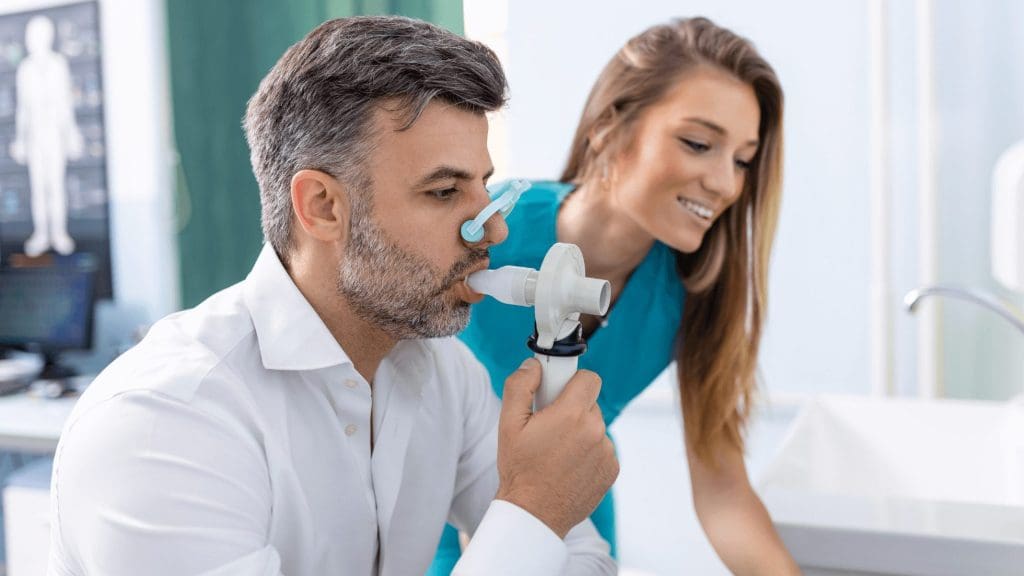
For people living with IBS or other gut-related conditions, a Functional Medicine Practitioner focuses on uncovering the reasons behind your symptoms rather than simply trying to manage them. The aim is to understand what is causing your digestive system to become unbalanced and to create a plan that restores it to health.
An FMP will begin by taking a detailed look at your diet and lifestyle. They may analyse your eating patterns, assess nutrient intake, review any relevant test results, and look for signs of food sensitivities or intolerances. They will also explore other important influences on gut health, such as stress, sleep, and physical activity. All of these factors can affect how your digestive system functions.
This process might include supporting your gut microbiome through dietary adjustments or supplements, helping you identify trigger foods, and guiding you in techniques that reduce stress and inflammation in the gut. Over time, these changes can lead to noticeable improvements, including less bloating, more predictable digestion, higher energy levels, and a better overall sense of wellbeing.
Your FMP will work closely with you to create a personalised, evidence-based plan that feels practical and sustainable. The goal is not just symptom relief, but long-term recovery and confidence in managing your digestive health day to day.
How to Choose a Functional Medicine Practitioner
Choosing the right Functional Medicine Practitioner can make all the difference to your results. A good practitioner combines clinical knowledge with a personalised, compassionate approach, taking time to understand your health history and lifestyle before recommending any changes.
When searching for an FMP, look for someone with recognised qualifications in nutrition, medicine, or a related health science, along with specific training in functional medicine. Experience working with complex digestive conditions such as IBS is particularly valuable. It’s also important to find a practitioner who bases their recommendations on credible, evidence-based practice rather than unproven or overly restrictive methods.
The relationship should feel collaborative. Your practitioner should listen carefully, explain their reasoning clearly, and design a plan that fits your needs and daily routine. Functional medicine works best when you feel supported, informed, and actively involved in the process.
At IBS Clinics, you can book a 15-minute initial appointment with a qualified nutritionist and Functional Medicine Practitioner who specialises in gut health. They can discuss some suitable options for diagnosing and/or resolving your gut health symptoms. This short, initial discovery call is free of charge and will help you work out if IBS Clinics is a good fit for you. Our focus at IBS Clinics is on building a tailored plan that addresses the root causes of your symptoms and helps you make practical, lasting improvements to your wellbeing.
What to Expect When Working With an FMP
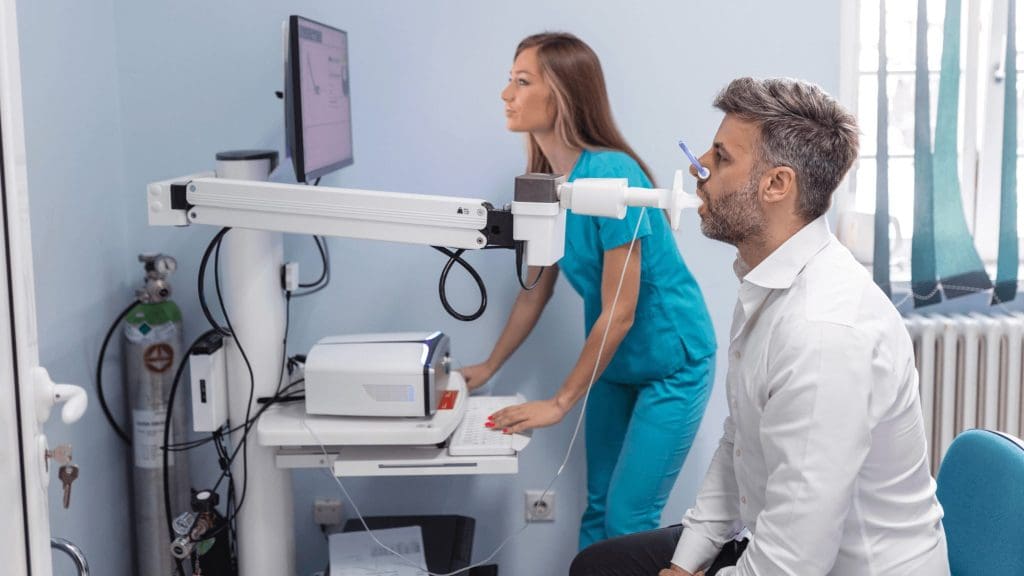
Working with a Functional Medicine Practitioner is a personalised and collaborative process designed to help you understand your body and make sustainable improvements to your health.
It usually begins with an in-depth consultation where your practitioner takes time to understand your full health picture. This includes your medical history, current symptoms, diet, lifestyle, stress levels, sleep patterns, and environment. Functional testing may be recommended to explore areas such as gut microbiome balance, inflammation, or nutrient status.
From there, your FMP will create a tailored plan that may include dietary adjustments, lifestyle changes, supplements, and stress management strategies. Follow-up sessions are used to monitor progress, review results, and adapt your plan as your body responds.
This is a two-way partnership. Your practitioner provides the structure, knowledge, and support, but progress depends on your commitment to applying those changes consistently. The best results come from small, achievable adjustments that fit naturally into your routine and build lasting habits over time.
At IBS Clinics, this approach ensures that every plan feels manageable, evidence-based, and focused on long-term success, helping you regain confidence in your health and your gut.
How to Get the Best Out of Working With a Functional Medicine Practitioner
Getting the most from functional medicine means being actively involved in your own recovery. The more engaged and open you are, the more effectively your Functional Medicine Practitioner can support you.
Keep an open mind and be honest about your habits, challenges, and progress. Functional medicine works best when your practitioner understands the full picture, including what feels difficult or isn’t working. Regular communication helps you stay accountable and allows your plan to be adjusted as needed.
Tracking your symptoms between sessions can also be helpful. Noting what you eat, how you feel, and any changes in digestion or energy levels can reveal patterns that guide future recommendations.
Above all, remember that improvement takes consistency and collaboration. The process is about building steady, achievable progress rather than quick fixes. By following through on agreed changes and staying engaged with your practitioner, you’ll lay the foundations for lasting results and a stronger, healthier gut.
Next Steps
If you’re ready to take a more proactive approach to your health, functional medicine can offer a clear path forward. By looking at the bigger picture – your diet, stress, lifestyle, and gut health – it helps uncover what’s really driving your symptoms and gives you practical tools to create lasting change.
To find out how this approach could support your digestive health, why not book an initial consultation with a qualified nutritionist and Functional Medicine Practitioner at IBS Clinics? Together, we can start building a personalised plan designed to restore balance, improve digestion, and enhance your overall wellbeing.
Conclusion
A Functional Medicine Practitioner helps people look beyond symptoms to uncover the root causes of their health concerns. By understanding how different aspects of your body and lifestyle connect, you can achieve real, lasting improvements rather than short-term relief.
At IBS Clinics, this approach combines evidence-based practice with a compassionate, personalised touch. Each plan is designed to support the body’s natural ability to heal through balanced nutrition, stress management, and practical lifestyle changes.
For anyone seeking to improve their gut health, manage IBS, and feel more in control of their wellbeing, working with a Functional Medicine Practitioner offers a structured, holistic, and sustainable way forward.
References
- The gut microbiome: Relationships with disease and opportunities for intervention. PMC (review)
https://www.ncbi.nlm.nih.gov/pmc/articles/PMC6314516/ - Personalized Nutrition Through The Gut Microbiota: Current Insights. Frontiers in Molecular Biosciences
https://www.frontiersin.org/articles/10.3389/fmolb.2022.1038830/full - The Gut Microbiota and Inflammation: An Overview. PubMed
https://pubmed.ncbi.nlm.nih.gov/33086688/ - Functional Medicine Past, Present, and Future. PMC
https://www.ncbi.nlm.nih.gov/pmc/articles/PMC9173848/ - Stress, Inflammation, and the Functional Medicine Model. Institute for Functional Medicine
https://www.ifm.org/articles/stress-inflammation-and-the-functional-medicine-model
Author – Tracey Randell
At IBS Clinics, Tracey Randell, a renowned Nutritional Therapist and one of the few IFM Certified Practitioners in the UK, extends her specialised knowledge and unique approach to managing and treating IBS and other gut-related conditions effectively.
Tracey’s profound understanding of Functional Medicine allows her to connect the dots for complex health conditions, identifying and addressing the root causes to curate personalised and comprehensive health plans for her patients. Her holistic approach focuses on resolving underlying imbalances and optimising gut health, enabling the body to correct other issues and attain overall well-being.
At IBS Clinics, we are dedicated to being your partner in navigating your gut-related health concerns, offering expert care and individualised treatment plans to alleviate your IBS symptoms and enhance your quality of life.
You can read more about Tracey on our About page here.
DISCLAIMER: The information provided in this article is intended for general informational purposes only and should not be construed as medical advice, diagnosis, or treatment. The products and methods mentioned are not a substitute for professional medical advice from a trained healthcare specialist. Always seek the guidance of your doctor or other qualified health professional with any questions you may have regarding your health or a medical condition. Never disregard professional medical advice or delay in seeking it because of something you have read on this website. Use of the information and products discussed is at your own risk.


