If your IBS has flared up after a course of antibiotics, you’re not alone. It’s something we see often in our clinical practice.
You may have taken antibiotics for something unrelated, like a sinus or chest infection, and now your digestion feels worse. More bloating, cramping, changes in bowel habits, or even new symptoms that weren’t there before. It can feel like your gut’s gone off course, and naturally, you want to know how long it’s going to last.
The truth is, there’s no one-size-fits-all answer. Some people recover within a week or two. Others find symptoms dragging on for much longer, especially if their gut was already sensitive before the antibiotics. If you would like to understand more how a nutritionist can help you, we offer a free 15-minute preliminary chat with an online nutritionist.
In this article, we’ll explore why antibiotics can affect IBS, how long symptoms might continue, and what steps you can take to help your gut recover. For more information about this, take a look at our article How to Improve Gut Health Naturally. If you’re feeling uncomfortable or concerned, there is support available and ways to feel better again.
A Quick Recap: What Are the Symptoms of IBS?
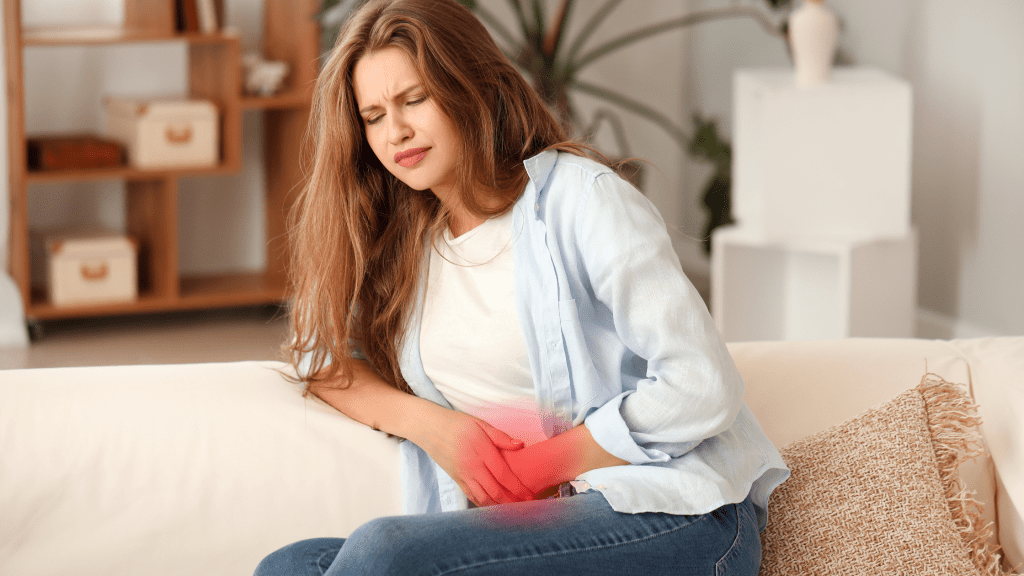
IBS (Irritable Bowel Syndrome) affects everyone a little differently, but there are some common symptoms that many people experience. These can come and go, vary in intensity, and often shift over time.
Typical IBS symptoms include:
- Bloating or a feeling of fullness, especially after meals
- Abdominal pain or cramping that may ease after a bowel movement
- Diarrhoea, constipation, or a mix of both
- Excess gas or wind
- A sudden urgency to go to the toilet
- A feeling that your bowels haven’t fully emptied
Some people also experience fatigue, nausea, or increased sensitivity to certain foods. When the gut is disrupted, such as after taking antibiotics, these symptoms can become more intense or harder to manage for a while.
How Long Can IBS Symptoms Last After Antibiotics?
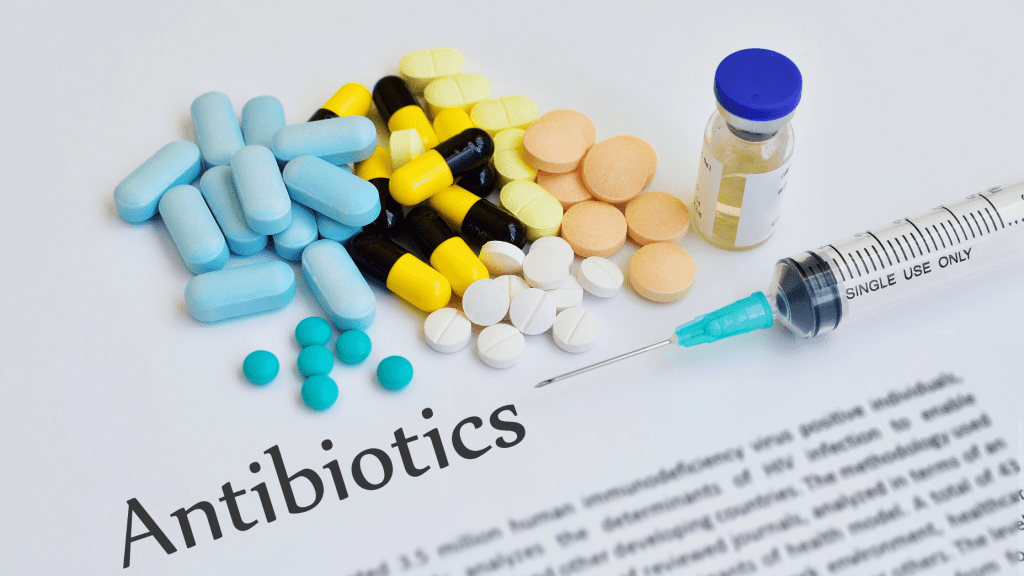
Everyone’s gut is different, so the length of time IBS symptoms last after taking antibiotics can vary from person to person. Some people notice their symptoms start to settle within a week or two, while others find that discomfort drags on much longer.
Typical recovery timeline
For many, mild flare-ups caused by antibiotics tend to calm down within a few weeks after finishing the course [1]. This gives the gut microbiome a chance to begin restoring itself, especially if you’re supporting it with the right foods, probiotics, and lifestyle habits.
However, if the balance of bacteria in the gut has been more significantly affected, symptoms may take longer to ease.
Can IBS last for months after antibiotics?
Yes, it can. In some cases, particularly if the gut was already sensitive or if broad-spectrum antibiotics were used, symptoms may linger for several months [2]. This doesn’t necessarily mean permanent damage has been done, but it can signal that your gut needs extra support to recover fully [2].
Some people also find that antibiotics trigger new or unfamiliar symptoms, which can feel like a setback even if they’ve been managing their IBS quite well beforehand.
How long does bloating last after antibiotics?
Bloating is one of the most common complaints after antibiotics. It can last a few days in mild cases but may persist for several weeks if the gut bacteria have been significantly disrupted. Bloating often improves more quickly when steps are taken to support the gut with diet, rest, and targeted probiotics.
How long does stomach pain from antibiotics last?
Stomach pain after antibiotics is usually short-term, lasting just a few days in most people. However, for those with IBS or a history of digestive issues, it can hang around longer. If pain continues beyond a couple of weeks, or gets worse instead of better, it’s worth speaking to a healthcare professional. Ongoing discomfort could be a sign that the gut lining is irritated or that the bacterial balance needs further support.
Does IBS from Antibiotics Go Away?
For many people, IBS symptoms that start or worsen after antibiotics do settle down over time. But it’s not always straightforward, and in some cases, the gut doesn’t fully recover without extra support.
Can antibiotics make IBS worse?
Yes, they can. Antibiotics disrupt the balance of bacteria in the gut, which may trigger IBS symptoms or make existing ones more severe. Broad-spectrum antibiotics, which target a wide range of bacteria, are particularly likely to cause problems. They don’t just clear out the harmful bacteria causing the infection. They also reduce the helpful bacteria that play a vital role in digestion, inflammation control, and maintaining the gut lining.
For someone with IBS, this disruption can lead to flare-ups or new symptoms that weren’t there before.
Understanding post-antibiotic IBS symptoms
Post-antibiotic IBS symptoms are often similar to standard IBS, but they may feel more unpredictable or harder to manage. You might experience bloating, cramps, diarrhoea, constipation, or a mix of all three. Some people also develop new food sensitivities or notice their usual triggers have a stronger effect.
These symptoms are typically linked to changes in the gut microbiome and how it affects digestion, inflammation, and bowel function.
Temporary flare-up or long-term change?
In many cases, these symptoms calm down within a few weeks. But for others, especially if no treatment is given, they can continue for months, and unfortunately can persist for years in some people [3].
When the gut is left unsupported after antibiotic use, it can struggle to restore its natural balance. This may lead to ongoing inflammation, a weakened gut lining, and further disruption to bowel movements [4]. What starts as a temporary flare-up can gradually become long-term IBS if the underlying issues aren’t addressed.
The good news is that with the right support, your gut can recover. The key is not to ignore symptoms that continue beyond a few weeks and to get help before they become more deeply rooted.
What Factors Affect Recovery Time?
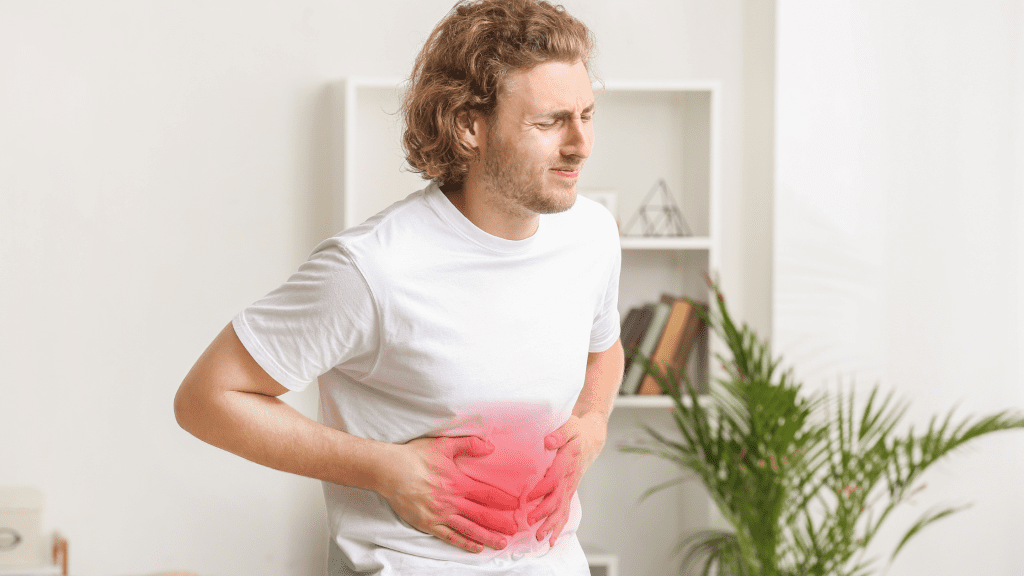
Recovery time after antibiotics can vary from person to person. Some people notice their IBS symptoms improve within a couple of weeks, while others find that problems continue for much longer. There are several key reasons why recovery may take more time than expected.
The role of broad-spectrum antibiotics
Broad-spectrum antibiotics are often used when doctors need to treat a wide range of possible bacteria. They can be very effective, but they also wipe out many of the good bacteria in your gut along with the bad ones. These helpful bacteria play an important role in digestion, immune function, and maintaining the lining of the gut.
When these good bacteria are lost, the balance in your gut is disrupted. For people with IBS, this can mean more bloating, more cramping, and longer-lasting changes in bowel habits. Recovery may take longer simply because the gut has more repair work to do.
Long-term stomach problems after antibiotics
SIBO
Some people find that stomach issues continue for weeks or even months after finishing antibiotics. This might include bloating, loose stools, constipation, or pain that wasn’t there before. In some cases, antibiotic use can lead to further issues like small intestinal bacterial overgrowth (SIBO), where bacteria grow in areas of the gut where they shouldn’t be. Many people with IBS confuse the symptoms of SIBO with IBS Symptoms, meaning SIBO can keep symptoms going until it is properly identified and treated.
Although SIBO (Small Intestinal Bacterial Overgrowth) and IBS share many symptoms – like bloating, gas, and changes in bowel habits, there are some key differences. SIBO often causes more upper abdominal bloating shortly after eating, and symptoms may worsen with high-fibre or fermentable foods.
Unlike IBS, SIBO can be identified through a SIBO breath test that measures hydrogen and methane levels. If your symptoms persist despite typical IBS treatments, or seem triggered by specific carbohydrates, it may be worth exploring whether SIBO is playing a role.
Other factors that can prolong symptoms
Your recovery can also depend on things like how many courses of antibiotics you’ve had, what kind of diet you eat, how well you sleep, and how stressed you are. Each of these plays a role in how your gut heals.
If the gut doesn’t get enough support during and after antibiotic treatment, the healing process can be slow. Without the right nutrition or guidance, symptoms can become long-term, even when the original infection has been resolved.
How Do You Heal Your Gut After Antibiotics?
If your gut still feels unsettled after taking antibiotics, there are steps you can take to support recovery. With the right approach, it is possible to calm IBS symptoms, reduce bloating, and help your digestion return to a more stable rhythm.
How to get rid of bloating from antibiotics
Bloating is a common side effect people experience after antibiotics, especially if they already have IBS. It often happens when the balance of gut bacteria has been disrupted, leading to more gas production or slower digestion.
To reduce bloating, it helps to keep your diet simple and gentle while your gut recovers. Cooked vegetables, plain proteins, and low FODMAP foods are often easier to digest during this time. Staying well hydrated, eating slowly, and avoiding carbonated drinks can also help reduce pressure in the gut.
For some people, taking a targeted probiotic may help restore bacterial balance and ease bloating more quickly. However, not all probiotics are suitable for IBS, so it’s best to speak to someone with experience in this area before choosing one [5].
Functional medicine and nutrition-led approaches
While the NHS can offer general support for IBS, functional medicine takes a more in-depth and personalised approach. Rather than focusing solely on symptom relief, functional medicine looks at the underlying causes of your digestive issues.
At IBS Clinics, we often use advanced gut testing to identify things like bacterial imbalances, inflammation, or nutrient deficiencies that may be driving your symptoms. This allows us to build a tailored treatment plan that focuses on restoring gut health step by step.
Nutritional therapy also plays a key role. A registered nutritionist can help you create a food and supplement plan that works for your body, reduces your symptoms, and supports long-term recovery. This kind of care often goes further than what is available through standard healthcare services.
How long does it take for an irritable bowel to heal?

There’s no fixed timeline for gut healing, but most people begin to feel better within a few weeks once the right support is in place. If symptoms are more severe or have been ongoing for some time, it may take several months for the gut to fully rebalance.
The important thing to remember is that healing is possible. With the right combination of nutrition, lifestyle changes, and expert guidance, many people with post-antibiotic IBS find their symptoms improve significantly over time [6].
How IBS Clinics Can Help You Recover from Post-Antibiotic IBS
If your IBS symptoms have flared up after antibiotics and don’t seem to be settling, you don’t have to figure it all out alone. At IBS Clinics, we specialise in helping people recover from gut disruption and rebuild long-term digestive health.
Personalised testing and support
We understand that no two people experience IBS the same way, especially after antibiotic use. That’s why we use in-depth testing to assess exactly what’s going on inside your gut. This might include microbiome analysis, inflammation markers, or checking for bacterial overgrowth.
This detailed information helps us understand the root cause of your symptoms and guide you with a tailored plan that suits your body and lifestyle.
Nutritional therapy and gut repair
Once we know what your gut needs, our team of registered nutritionists and functional medicine practitioners work with you to support gut healing. This might involve targeted probiotics, dietary changes, supplements, and simple strategies to ease symptoms and support recovery.
We focus on rebuilding your microbiome, strengthening your gut lining, and improving your digestive function gradually and sustainably.
Managing symptoms that linger or worsen
If your symptoms have stuck around for weeks or even months, it’s a sign your gut may still be struggling to recover. We help identify why that’s happening and offer practical steps to move forward. Whether you’re dealing with bloating, pain, constipation, or food sensitivities, we aim to reduce the daily impact of IBS and help you feel more in control of your health.
Conclusion

If your IBS has worsened after antibiotics, it can feel frustrating and uncertain, especially when symptoms don’t settle as quickly as you hoped. But with the right support, your gut can recover.
Whether you’re dealing with bloating, pain, or ongoing digestive issues, you don’t have to just wait it out. At IBS Clinics, we help you get to the root of what’s going on and guide you through a personalised plan to rebuild your gut health.
If your symptoms are lingering or starting to affect your daily life, now might be the right time to contact us and get support. We’re here to help you feel better, for the long term.
References
- Mendall and Kumar (1998) Antibiotic use, childhood affluence and irritable bowel syndrome (IBS). European journal of gastroenterology & hepatology. https://pubmed.ncbi.nlm.nih.gov/9512954/
- Korpela et al. (2020) Antibiotics in early life associate with specific gut microbiota signatures in a prospective longitudinal infant cohort. Pediatric research. https://pubmed.ncbi.nlm.nih.gov/31954376/
- Erica Cirino (2023) Developing IBS After Antibiotics Use? It’s Possible. healthline.com. https://www.healthline.com/health/ibs/ibs-after-antibiotic-use
- Passos and Moraes-Filho (undefined) INTESTINAL MICROBIOTA IN DIGESTIVE DISEASES. Arquivos de gastroenterologia. https://pubmed.ncbi.nlm.nih.gov/28723981/
- Ceccherini et al. (2022) Evaluating the Efficacy of Probiotics in IBS Treatment Using a Systematic Review of Clinical Trials and Multi-Criteria Decision Analysis. Nutrients. https://pubmed.ncbi.nlm.nih.gov/35807868/
- Zeraattalab-Motlagh et al. (2024) Nutritional Interventions in Adult Patients With Irritable Bowel Syndrome: An Umbrella Review of Systematic Reviews and Meta-analyses of Randomized Clinical Trials. Nutrition reviews. https://pubmed.ncbi.nlm.nih.gov/39110917/
Author – Tracey Randell
At IBS Clinics, Tracey Randell, a renowned Nutritional Therapist and one of the few IFM Certified Practitioners in the UK, extends her specialised knowledge and unique approach to managing and treating IBS and other gut-related conditions effectively.
Tracey’s profound understanding of Functional Medicine allows her to connect the dots for complex health conditions, identifying and addressing the root causes to curate personalised and comprehensive health plans for her patients. Her holistic approach focuses on resolving underlying imbalances and optimising gut health, enabling the body to correct other issues and attain overall well-being.
At IBS Clinics, we are dedicated to being your partner in navigating your gut-related health concerns, offering expert care and individualised treatment plans to alleviate your IBS symptoms and enhance your quality of life.
You can read more about Tracey on our About page here.
DISCLAIMER: The information provided in this article is intended for general informational purposes only and should not be construed as medical advice, diagnosis, or treatment. The products and methods mentioned are not a substitute for professional medical advice from a trained healthcare specialist. Always seek the guidance of your doctor or other qualified health professional with any questions you may have regarding your health or a medical condition. Never disregard professional medical advice or delay in seeking it because of something you have read on this website. Use of the information and products discussed is at your own risk.