Have you ever wondered what’s going on inside your gut and how it affects your overall health? The gut microbiome, a bustling community of trillions of microorganisms living in your digestive tract, plays a crucial role in everything from digestion to immune function, and even your mood.
If you’re curious about the state of your gut health, testing your microbiome can provide fascinating insights. You might be interested in microbiome testing for a variety of reasons. Perhaps you’ve been experiencing digestive issues like bloating, gas, or irregular bowel movements, and you’re looking for answers.
Maybe you’ve heard about the connection between gut health and overall wellness and want to optimise your diet and lifestyle. Whatever your motivation, understanding your gut microbiome can be a game-changer. Services for microbiome testing in the UK are the vehicle for this.
Testing your gut microbiome can help you pinpoint imbalances, identify the presence of beneficial and harmful bacteria, and tailor your diet to support a healthier gut. It’s like getting a detailed report card for your digestive system, offering you actionable steps to improve your health and well-being, like incorporating kefir products into your diet.
Here, we’ll discuss who should consider microbiome testing, how you can get tested and what you can learn from it.
How Do I Know If I Have a Microbiome Imbalance?

Understanding whether you have a gut microbiome imbalance can be like piecing together a puzzle. Your body gives you clues, and recognising these signs can help you take the necessary steps to address any issues.
Common Signs and Symptoms of a Microbiome Imbalance
- Digestive issues like frequent bloating, gas, constipation, or diarrhoea.
- Muscle and joint pain (via various mechanisms) caused by “leaky gut” and inflammation.
- Developing new food intolerances and/or skin problems such as acne, eczema, or unexplained rashes.
- Fatigue and poor sleep (your microbiome plays a role in hormone regulation).
- Frequent infections could be a sign of a weakened immune system due to a disrupted gut microbiome.
- Mood issues, including anxiety, depression, and mood swings, can also be influenced by the health of your gut through the gut-brain connection.
Conditions and Health Issues Linked to Gut Microbiome Imbalances
An imbalanced gut microbiome can contribute to several health conditions, not just digestive discomfort. Irritable Bowel Syndrome (IBS) and Inflammatory Bowel Disease (IBD) are often associated with gut bacteria imbalances. Obesity and metabolic disorders can also be influenced by your gut microbiome, affecting how your body stores fat and regulates blood sugar.
Autoimmune diseases, such as rheumatoid arthritis and lupus, may be linked to an unhealthy gut microbiome that affects your immune system. Mental health disorders like depression and anxiety have connections to gut health due to the gut-brain axis.
When to Consider Getting a Microbiome Test

If you’re experiencing persistent digestive issues that haven’t improved with standard treatments, it might be time to consider a microbiome test. Chronic conditions like IBS, IBD, or unexplained fatigue that haven’t been resolved through traditional medical tests could benefit from microbiome insights.
A microbiome test can be particularly helpful if you’re planning significant changes to your diet or lifestyle to improve your health, providing tailored recommendations based on your specific needs. Even if you’re not currently experiencing significant issues, a microbiome test can be a proactive step to ensure your gut health is optimal and to prevent potential future problems.
Recognising the signs of a microbiome imbalance and understanding the conditions linked to it can help you make informed decisions about your health. Considering a microbiome test could be a key step towards identifying and addressing gut health issues, leading to improved overall well-being.
What You Can Learn from a Gut Microbiome Test
Gut microbiome tests can reveal a wealth of information about your digestive health, including:
- Bacterial Composition: Identification of the types and quantities of bacteria present in your gut.
- Diversity: Assessment of the overall diversity of your gut microbiome, which is generally linked to better health outcomes.
- Beneficial vs. Harmful Bacteria: Insights into the balance of beneficial bacteria versus potentially harmful bacteria.
- Functional Markers: Information on how well your gut is performing functions such as fibre digestion, vitamin synthesis, and inflammation control.
How Do I Get My Microbiome Tested?

If you’re curious about the state of your gut health, getting your microbiome tested is a straightforward process. Here’s how you can go about it.
Can You Get a Microbiome Test on the NHS?
Currently, comprehensive microbiome testing is not routinely available through the NHS. The NHS focuses primarily on essential medical services and treatments, and while gut health is recognised as important, advanced microbiome testing is generally considered a specialised service. For more on this, see our article Gut Microbiome Test NHS.
However, the NHS does offer other types of gut health tests. These include:
- Stool Tests: To check for infections, inflammation, and other digestive issues.
- Blood Tests: To assess markers of inflammation or nutrient deficiencies.
- Breath Tests: For diagnosing conditions like small intestinal bacterial overgrowth (SIBO).
For detailed microbiome analysis, you would typically need to seek private testing options. Many private providers, including IBS Clinics, offer comprehensive gut microbiome test kits that you can use at home for a thorough analysis of your gut health.
Different Methods for Testing the Gut Microbiome
Understanding the different types of gut microbiome tests can help you choose the right one for your needs. Each test provides unique insights into your gut health and measures various aspects of your microbiome and overall digestive function.
Getting your microbiome tested is easier than you might think. Here’s an overview of the main types of tests available:
Stool Sample Analysis
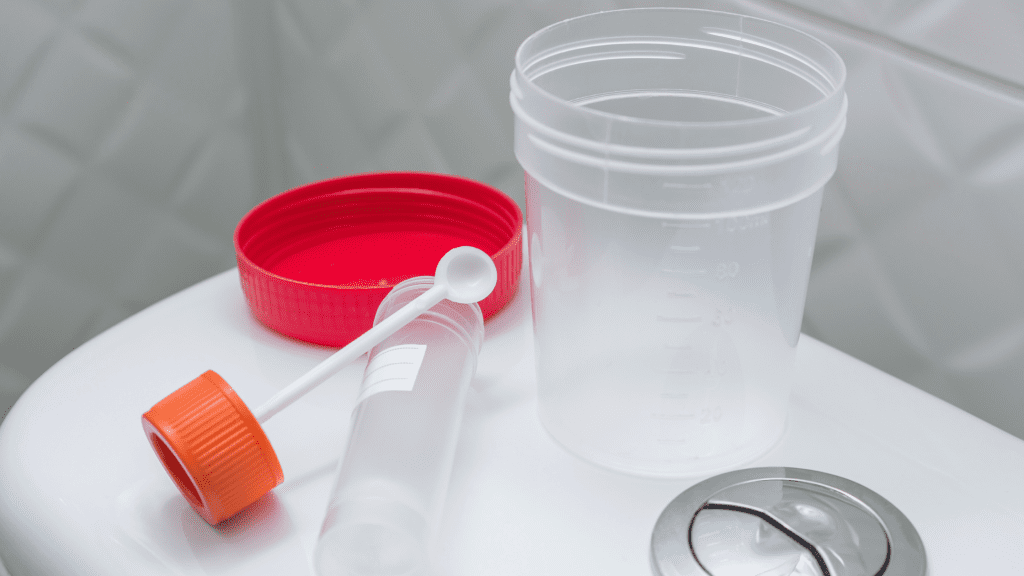
This is the most common method, which you can do at home with a test kit. You provide a small stool sample, which is then analysed in a lab to identify the various microorganisms present in your gut.
What It Measures:
- Bacterial Composition: Identifies the types and quantities of bacteria present in your gut.
- Diversity: Assesses the overall diversity of your gut microbiome, which is generally linked to better health outcomes.
- Functional Markers: Evaluates how well your gut is performing functions such as fibre digestion, vitamin synthesis, and inflammation control.
How It Works:
- You provide a small stool sample, which is then analysed in a lab. The lab uses advanced techniques like DNA sequencing to identify and quantify the different microorganisms in your gut. This analysis provides a comprehensive picture of your gut microbiome’s composition and functionality.
Breath Tests
Used primarily to detect small intestinal bacterial overgrowth (SIBO), you breathe into a tube after ingesting a specific solution. The test measures gases produced by bacteria in your gut. Again, you can do this at home with a test kit.
What It Measures:
- Gas Production: Detects levels of hydrogen and methane gases produced by bacteria in your intestines.
How It Works:
- You consume a specific solution (usually containing a sugar like lactulose or glucose) and then breathe into a tube at regular intervals. The test measures the levels of hydrogen and methane in your breath. Elevated levels of these gases can indicate small intestinal bacterial overgrowth (SIBO), which can disrupt gut health and lead to symptoms like bloating, gas, and diarrhoea.
Blood Tests

These can be used to assess inflammation markers and other indicators of gut health, although they are less direct than stool sample analysis and require approval and administering by a health professional.
What It Measures:
- Inflammation Markers: Assesses levels of specific markers in the blood, such as C-reactive protein (CRP) and erythrocyte sedimentation rate (ESR), which indicate inflammation in the body.
How It Works:
- A blood sample is taken and analysed in a lab to measure the levels of inflammation markers. While this test doesn’t directly measure the gut microbiome, it provides valuable information about systemic inflammation that can be related to gut health issues, such as inflammatory bowel disease (IBD).
Urine Tests
Sometimes used to evaluate the metabolites produced by gut bacteria, providing indirect information about gut health.
What It Measures:
- Metabolites Produced by Gut Bacteria: Urine tests evaluate the byproducts of bacterial metabolism, providing indirect information about the composition and activity of your gut microbiome.
How It Works:
- You provide a urine sample, which is then analysed in a lab. The lab measures various metabolites, such as organic acids, produced by gut bacteria. These metabolites can offer insights into the functional state of your gut microbiome and its impact on your overall health. By examining these byproducts, the test can infer the presence of certain bacterial species and their metabolic activities, helping to identify imbalances or dysfunctions in your gut ecosystem.
Step-by-Step Guide to Taking a Gut Microbiome Test at Home
Taking a gut microbiome test at home is straightforward and convenient. Here’s a step-by-step guide:
- Order a Test Kit: Choose a gut microbiome test kit from a reputable provider. There are many options available, including those offered here at IBS Clinics.
- Collect Your Sample: Follow the instructions provided with your kit. Typically, you will use a small scoop to transfer a sample of your stool into a provided container. It’s quick and hygienic.
- Package Your Sample: Securely package your sample according to the kit instructions. Most kits include prepaid shipping materials to send your sample back to the lab.
- Send Your Sample to the Lab: Drop your package at the post office or arrange for a pickup, depending on the service offered by the test provider.
- Wait for Results: The lab will analyse your sample and provide a detailed report of your gut microbiome. This usually takes a few weeks.
- Review Your Report: Once you receive your results, you’ll get a comprehensive breakdown of the bacteria in your gut and what it means for your health. Many providers also offer personalised recommendations based on your results.
At home microbiome testing is both accessible and manageable, giving you valuable insights into your digestive health and how to improve it.
Understanding Your Test Results

Interpreting gut microbiome test results can feel a bit like deciphering a secret code, but understanding what the different bacteria and markers indicate about your health is really valuable. We’ll break it down in a simple way and figure out what your results mean and what steps to take next.
How to Interpret Gut Microbiome Test Results
Think of your gut microbiome as a bustling city. Your test results provide a map of this city, showing you the different types and quantities of bacteria living there. Ideally, you want a diverse city with many different neighbourhoods (bacteria types) because diversity usually means a healthier, more resilient gut.
The results will also show the balance between the friendly bacteria (like the city’s helpful citizens) and the troublemakers (potentially harmful bacteria). If there are too many troublemakers, it might indicate an imbalance, called dysbiosis, which can lead to issues like bloating, gas, and inflammation.
Additionally, your results will highlight how well your gut is performing essential tasks, like digesting fibre and producing vitamins. For the purposes of our analogy, it’s a bit like checking how efficiently the city services are running.
What the Different Bacteria and Markers Indicate About Your Health
- High Levels of Friendly Bacteria: This means your gut city is thriving, with lots of helpful citizens keeping everything running smoothly, supporting digestion, immune function, and overall well-being.
- Presence of Troublemakers: If there are too many troublemakers, it could mean your gut city is experiencing some unrest, leading to symptoms like bloating, gas, and inflammation.
- Low Diversity: Low diversity of bacteria in the gut means less gut resilience and more propensity to various gut issues. This can increase the risk of health problems like obesity and autoimmune diseases.
- Functional Markers: These are like performance reports on your city services. If something is off, it might indicate problems with nutrient absorption, immune response, or inflammation control.
Next Steps After Receiving Your Test Results
Interpreting microbiome test results can be tricky, like trying to read a map without a scale. This is where a nutritionist or Functional Medicine Practitioner (FMP) can be incredibly helpful. They can help you understand your results in the context of your overall health and provide personalised recommendations.
Based on your test results, you might need to make some dietary changes to support a healthier gut. This could include eating more fibre-rich foods, adding fermented foods to your diet, or avoiding specific food triggers.
Your nutritionist or FMP might also suggest probiotics and prebiotics. Probiotics are like introducing more friendly neighbours to your gut city, while prebiotics are the food that helps these friendly bacteria thrive.
Lifestyle changes are also important. Regular exercise, stress management, and getting enough sleep help keep everything in good working order. Periodic follow-up tests can help you track your progress and make adjustments as needed.
Understanding your gut microbiome test results and taking steps to improve your gut health can have a big impact on your overall well-being. With the right guidance and a personalised approach, you can make your gut city a thriving, happy place.
Are Gut Microbiome Tests Worth It?

Given that comprehensive microbiome testing isn’t typically available on the NHS, you might be wondering if investing in a private gut microbiome test is worth it. Let’s weigh the pros and cons, explore what you can learn from these tests, and how the results can influence your health decisions.
Pros and Cons of Gut Microbiome Testing
Pros:
Gut microbiome tests are like getting a detailed report card for your gut. They provide comprehensive insights into the microorganisms living in your digestive tract, helping you understand any imbalances and their effects on your health.
Many of these tests come with personalised dietary and lifestyle recommendations, tailored to your unique gut profile, so you can make informed choices to improve your well-being. Think of it as having a customised roadmap to better gut health.
Additionally, knowing the state of your gut health can help you take proactive steps to prevent potential issues, such as digestive disorders, mental health concerns, and metabolic conditions. It’s like getting a warning light on the dashboard before any problems arise, giving you the chance to take the appropriate course of action.
Cons:
However, private gut microbiome tests can be expensive, typically ranging from £200 to £400, which may be prohibitive for some people. The science of the microbiome is still evolving, and interpreting test results can be complex, often requiring professional guidance. Furthermore, while the test provides valuable information, it doesn’t always offer immediate solutions, and improving gut health often requires a long-term commitment to dietary and lifestyle changes. This is where seeking support and guidance from a nutritionist or functional medical practitioner can be really beneficial.
Health Benefits of Microbiome Testing
Understanding your gut microbiome can have significant real-life impacts. For example, a balanced microbiome is associated with many health benefits [1]:
- Improved digestion, which means less bloating and more regular bowel movements.
- Enhanced immune function, which can help you fend off colds and infections more effectively.
- Better mental health, which may manifest as reduced anxiety and a more stable mood.
- Lower risk of chronic diseases, which can mean a decreased likelihood of developing conditions like diabetes or heart disease.
When you are armed with detailed information from a gut microbiome test, it will enable you to optimise your diet to include foods that support beneficial bacteria and exclude those that may cause imbalances and troublesome symptoms such as bloating, cramps and gas.
You’ll be able to identify and address specific health concerns linked to gut imbalances, such as IBS, anxiety, and obesity, and implement lifestyle changes that promote a healthy microbiome, leading to improved overall well-being and vitality.
While the cost of private gut microbiome tests can be a barrier for some, the detailed insights and personalised recommendations they provide can be invaluable for those looking to optimise their health. By understanding and improving your gut microbiome, you can finally take effective and proactive steps towards better digestive health and overall wellness.
Improve Your Gut Microbiome Long-Term

Understanding the state of your gut microbiome is just the first step. The next step is to take actionable measures to improve and maintain a healthy balance of microorganisms in your gut. Here are some practical steps you can take:
Dietary Changes to Support a Healthy Microbiome
- Eat a Diverse Range of Foods:
- Just like a thriving garden needs a variety of plants, your gut microbiome benefits from a diverse diet. Include a wide range of fruits, vegetables, whole grains, and legumes to provide different types of fibre and nutrients that feed various beneficial bacteria.
- Incorporate Fermented Foods:
- Fermented foods like yoghurt, kefir, sauerkraut, kimchi, and kombucha are rich in probiotics, which are live bacteria that can help increase the number of beneficial bacteria in your gut.
- Choose Whole Grains:
- Whole grains such as oats, quinoa, and brown rice contain fibre and non-digestible carbs that fuel the growth of beneficial bacteria.
Probiotics and Prebiotics: What They Are and How They Help
Probiotics: Probiotics are live microorganisms that, when consumed in adequate amounts, provide health benefits by enhancing the gut flora. They are found in supplements and fermented foods. Regular intake of probiotics can help maintain a balanced gut microbiome, improve digestion, and boost the immune system.
Prebiotics: Prebiotics are non-digestible food components that stimulate the growth and activity of beneficial bacteria. They are found in foods like garlic, onions, bananas, asparagus, and leeks. Prebiotics act as food for probiotics, helping them thrive and multiply in your gut.
Lifestyle Changes for Maintaining a Balanced Gut Microbiome

Maintaining a healthy gut microbiome goes beyond just what you eat. Your daily habits and lifestyle choices play a crucial role in supporting and sustaining the balance of beneficial bacteria in your gut. By incorporating certain lifestyle changes, you can create an environment that promotes a thriving microbiome, leading to improved overall health and well-being. Here are some key lifestyle adjustments to help you maintain a balanced gut microbiome.
Exercise Regularly
Regular physical activity promotes a healthy gut by enhancing gut motility and increasing the diversity of gut bacteria. Aim for at least 30 minutes of moderate exercise most days of the week.
Manage Stress
Chronic stress can negatively impact your gut health. Incorporate stress-reducing activities such as yoga, meditation, deep breathing exercises, or even hobbies you enjoy to help manage stress levels.
Get Enough Sleep
Adequate sleep is vital for overall health, including gut health. Aim for 7-9 hours of quality sleep per night to allow your body and gut to recover and function optimally.
Stay Hydrated
Drinking plenty of water is essential for the health of the mucosal lining of the intestines and the balance of good bacteria in the gut. Aim to drink at least 8 glasses (about 2 litres) of water a day.
Avoid Excessive Use of Antibiotics
Antibiotics can disrupt the gut microbiome by killing both harmful and beneficial bacteria. Use antibiotics only when necessary and always under the guidance of a healthcare professional.
Incorporating these dietary and lifestyle changes into your daily routine can help support a healthy gut microbiome, which in turn can improve your digestion, enhance your immune function, and contribute to your overall well-being. Taking proactive steps based on the insights from your gut microbiome test can help you achieve a balanced and healthy gut.
Conclusion

Taking proactive steps to test your gut microbiome and improve your gut health can lead to significant benefits, such as better digestion, enhanced immune function, improved mental health, and a lower risk of chronic diseases. Implementing dietary and lifestyle changes, along with understanding your gut microbiome, can make a big difference in your overall well-being.
If you’re experiencing symptoms of a gut imbalance or simply want to optimise your health, consider professional advice and the testing options available at IBS Clinics. With the right guidance and tools, you can take charge of your gut health and enhance your quality of life.
References
[1] “The Human Microbiome: Our Second Genome.” National Institutes of Health. https://www.nih.gov/news-events/nih-research-matters/human-microbiome-our-second-genome
Author – Tracey Randell
At IBS Clinics, Tracey Randell, a renowned Nutritional Therapist and one of the few IFM Certified Practitioners in the UK, extends her specialised knowledge and unique approach to managing and treating IBS and other gut-related conditions effectively.
Tracey’s profound understanding of Functional Medicine allows her to connect the dots for complex health conditions, identifying and addressing the root causes to curate personalised and comprehensive health plans for her patients. Her holistic approach focuses on resolving underlying imbalances and optimising gut health, enabling the body to correct other issues and attain overall well-being.
At IBS Clinics, we are dedicated to being your partner in navigating your gut-related health concerns, offering expert care and individualised treatment plans to alleviate your IBS symptoms and enhance your quality of life.
You can read more about Tracey on our About page here.
DISCLAIMER: The information provided in this article is intended for general informational purposes only and should not be construed as medical advice, diagnosis, or treatment. The products and methods mentioned are not a substitute for professional medical advice from a trained healthcare specialist. Always seek the guidance of your doctor or other qualified health professional with any questions you may have regarding your health or a medical condition. Never disregard professional medical advice or delay in seeking it because of something you have read on this website. Use of the information and products discussed is at your own risk.