Understanding the Bristol Stool Chart
The Bristol Stool Chart, sometimes referred to as the Bristol Stool Scale, is a valuable tool for understanding and categorising different types of bowel movements. It was developed by Dr. Ken Heaton at the University of Bristol in the United Kingdom. This chart serves as a visual guide to help individuals and healthcare professionals assess the form and consistency of stool. If you would like to receive a clearer picture of what is going on in your gut, it may also be helpful to consider microbiome testing UK. If you find this article helpful, you may also like to read about vitamins and IBS.
An Overview of the Bristol Stool Chart
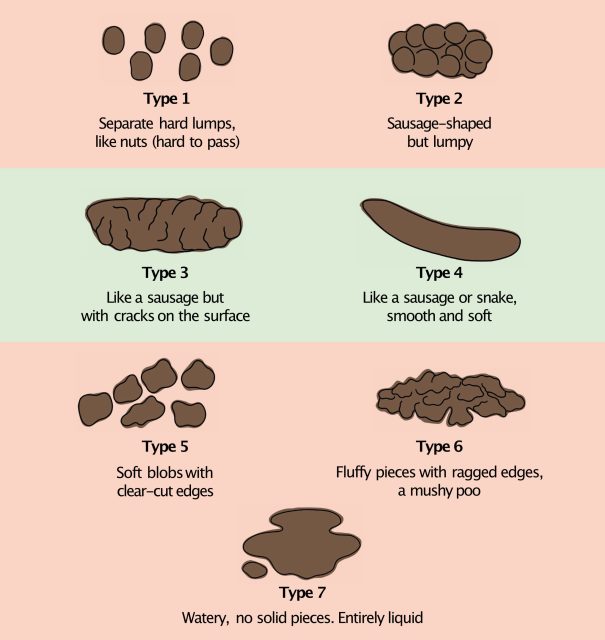
Image courtesy of England.nhs.uk
The Bristol Stool Chart is a simple yet effective way to classify stools into seven distinct categories, each represented by a specific number and corresponding image. These categories are based on the appearance and texture of stool, providing insights into digestive health and potential issues.
Let’s take a closer look at each of the seven types:
Type 1: These stools are hard, lumpy, and difficult to pass. They may indicate constipation and a lack of dietary fibre and hydration.
Type 2: Stools in this category are slightly lumpy but still relatively hard. They may suggest mild constipation.
Type 3: These stools resemble a sausage shape with cracks on the surface. They are considered normal and indicate a healthy bowel.
Type 4: These are smooth, soft, and well-formed stools, often considered the ideal type. They are easy to pass and indicate a healthy bowel.
Type 5: Stools in this category are soft blobs with clear-cut edges. They may suggest a lack of fibre in the diet or mild diarrhoea.
Type 6: These stools are mushy with a fluffy texture. They may indicate diarrhoea and an imbalance in the digestive system.
Type 7: Stools in this category are watery and entirely liquid. They are often associated with severe diarrhoea and gastrointestinal issues.
What Does the Bristol Stool Chart Tell You?
The Bristol Stool Chart is a valuable tool for both individuals and healthcare professionals as it provides insights into digestive health and potential underlying conditions. Here’s what the chart can tell you:
Bowel Regularity
It helps assess how often you have bowel movements and whether they are within a healthy range.
Digestive Health
The chart can indicate potential digestive issues such as constipation or diarrhoea.
Dietary Factors
Stool consistency can be influenced by dietary choices, including fibre intake and hydration levels.
Medical Conditions
Certain medical conditions, including irritable bowel syndrome (IBS) and gastrointestinal infections, can be identified through stool analysis.
Treatment Effectiveness
For individuals with digestive conditions such as Irritable Bowel Syndrome, the Bristol Stool Chart can help track the effectiveness of treatments and dietary changes.
Understanding the Bristol Stool Chart and the types of stools it represents can be a valuable step in monitoring your digestive health. If you notice consistent changes in your stool type or have concerns about your bowel movements, it’s advisable to consult a healthcare practitioner or nutritionist for a thorough evaluation and guidance on managing any potential issues.
Types and Characteristics
The Bristol Stool Chart categorises stools into seven distinct types, each with its own unique characteristics. Understanding these types can provide valuable insights into your digestive health and help identify potential issues. Let’s explore each type in detail:
Types 1 and 2 on the Bristol Stool Chart
Type 1: Stools in this category are characterised by being hard, lumpy, and difficult to pass. They often appear as small, separate, and hard lumps, resembling nuts or rabbit droppings. Type 1 stools indicate constipation and a lack of dietary fibre and hydration. Individuals experiencing these stools may find bowel movements uncomfortable and infrequent.
Type 2: Stools in this category are slightly lumpy but still relatively hard. They may have a sausage-like shape with visible cracks on the surface. While they are firmer than ideal stools, they are not as severe as Type 1. Type 2 stools also suggest mild constipation and may require dietary adjustments to promote regular bowel movements.
Types 3 and 4 on the Bristol Stool Chart
Type 3: These stools resemble a sausage shape with cracks on the surface. They are considered normal and indicate a healthy bowel. Type 3 stools are smooth and easy to pass, typically reflecting a balanced diet and good hydration. Individuals with Type 3 stools typically have regular and comfortable bowel movements.
Type 4: These stools are smooth, soft, and well-formed, often considered the ideal type. They have a sausage or snake-like shape and are easy to pass without straining. Type 4 stools indicate a healthy and well-functioning digestive system. Maintaining Type 4 stools is a goal for individuals seeking optimal bowel health.
Types 5 and 6 on the Bristol Stool Chart
Type 5: Stools in this category are soft blobs with clear-cut edges. They may appear as separate, distinct pieces. Type 5 stools suggest a slightly softer consistency than ideal and may indicate a lack of dietary fibre or mild diarrhoea. While not a cause for major concern, individuals experiencing Type 5 stools may benefit from dietary adjustments to promote firmer stools.
Type 6: These stools are mushy with a fluffy texture and lack a defined shape. They often appear as multiple, soft pieces. Type 6 stools indicate diarrhoea and an imbalance in the digestive system. Individuals with Type 6 stools may experience urgency and frequent bowel movements. Managing the underlying causes of diarrhoea is important to return to normal stool consistency.
Type 7 on the Bristol Stool Chart
Type 7: Stools in this category are watery and entirely liquid. They have no solid pieces and are often associated with severe diarrhoea and gastrointestinal issues. Type 7 stools may indicate infections, food intolerances, or underlying medical conditions that require prompt attention and management.
Understanding the characteristics of each type on the Bristol Stool Chart can help individuals assess their own bowel movements and identify any deviations from normal patterns. Monitoring stool types and discussing consistent changes with a healthcare professional can aid in diagnosing and managing digestive conditions such as irritable bowel syndrome (IBS) and ensuring overall digestive health.
Bristol Stool Chart and IBS
Individuals with IBS often experience a range of gastrointestinal symptoms, including changes in bowel habits, abdominal discomfort, and altered stool consistency.
The Bristol Stool Chart can be a valuable aid in assessing these symptoms and providing insights into IBS subtypes:
IBS with Constipation (IBS-C): For individuals with IBS-C, characterised by infrequent bowel movements and hard, lumpy stools (Types 1 and 2 on the Bristol Stool Chart), the chart can help track the consistency of their stools. Monitoring for a transition to Type 3 or 4 stools can indicate an improvement in symptoms.
IBS with diarrhoea (IBS-D): Those with IBS-D, marked by frequent loose stools (Types 6 and 7 on the Bristol Stool Chart), can use the chart to assess the severity and duration of diarrhoea episodes. Changes towards Type 5 or 4 stools may indicate symptom improvement.
Mixed IBS (IBS-M): Individuals with IBS-M may experience alternating periods of constipation and diarrhoea. Tracking stool types can help identify patterns and triggers, facilitating tailored management.
Identifying IBS Symptoms Using the Bristol Stool Chart
The Bristol Stool Chart can also assist in recognising specific IBS symptoms:
- Bowel Habit Changes: Monitoring shifts in stool types can help individuals identify irregularities in their bowel habits, a common feature of IBS.
- Abdominal Discomfort: Individuals experiencing abdominal discomfort or pain alongside specific stool types can better communicate their symptoms to healthcare professionals, aiding in diagnosis and treatment planning. It’s often easier to explain to a healthcare practitioner that you are producing a ‘Type five’ stool instead of struggling with a graphic description!
- Treatment Efficacy: For those undergoing IBS management, the Bristol Stool Chart can serve as a tool to evaluate the effectiveness of dietary changes, medications, or lifestyle modifications in achieving more consistent and comfortable bowel movements.
While the Bristol Stool Chart is a valuable resource, it is essential to remember that IBS is a complex condition with various triggers and factors. It is advisable to consult a healthcare practitioner for a comprehensive evaluation if you suspect IBS or experience persistent gastrointestinal symptoms. Together with your healthcare provider, you can develop a personalised management plan that addresses your specific needs and improves your quality of life.
Healthy Bowel Habits
Maintaining healthy bowel habits is essential for overall well-being and digestive health. In this section, we will explore the signs of a healthy bowel and provide practical tips for improving and maintaining optimal bowel health.
Signs of a Healthy Bowel
Recognising the signs of a healthy bowel can help individuals gauge the effectiveness of their digestive system and identify any deviations that may require attention. Here are the key indicators of a healthy bowel:
Regular Bowel Movements
A healthy bowel typically results in regular, predictable bowel movements. While the frequency can vary from person to person, consistency in your bowel habits is a positive sign.
Comfortable Passage
Bowel movements should be comfortable and pain-free. Straining or discomfort during bowel movements may indicate underlying issues, such as constipation or haemorrhoids.
Well-Formed Stools
Healthy stools are well-formed, with a sausage-like or snake-like shape. They should be easy to pass without excessive effort or urgency.
No Blood or Mucus
Stools should not contain blood or mucus. The presence of these elements may signal gastrointestinal problems and should be discussed with a healthcare professional.
Regular Bristol Stool Chart Type
A healthy bowel often corresponds to Type 3 or 4 on the Bristol Stool Chart—stools that are smooth, soft, and well-formed.
Tips for Improving Bowel Health
Maintaining healthy bowel habits is achievable through simple lifestyle and dietary adjustments. Here are some tips to promote and improve bowel health:
- Stay Hydrated: Maintaining proper hydration is essential for individuals with IBS as it helps soften stools and alleviate constipation. Aim to drink at least eight glasses of water daily to support digestive comfort
- Fibre-Rich Diet: For those dealing with IBS, a fibre-rich diet is key to promoting digestive health. Make sure to include fruits, vegetables, whole grains, and legumes in your daily meals. Dietary fibre adds bulk to stools and encourages regular bowel movements, helping to manage IBS symptoms effectively.
- Regular Physical Activity: Regular physical activity can significantly benefit individuals with IBS by promoting better gut motility, reducing the chances of food lingering in the intestines. Additionally, exercise plays a crucial role in stress reduction, a known trigger for IBS symptoms, and contributes to weight management, particularly important for IBS control. It also provides relief from common IBS discomforts like bloating and gas by expelling trapped air. Moreover, exercise boosts mood through the release of endorphins, helping individuals better manage their symptoms. Tailored exercise plans should be considered, as the type and intensity may vary, and consulting with a healthcare practitioner or a registered nutritionist experienced in IBS is advisable for personalised recommendations.
- Manage Stress: Managing stress is ver y helpful for individuals with IBS, as chronic stress is known to worsen digestive symptoms. Stress-reduction techniques tailored to IBS can make a significant difference. Consider practicing mindfulness meditation, specific deep breathing exercises aimed at calming the gut, or IBS-friendly yoga routines. These approaches can help alleviate the impact of stress on your digestive system and improve overall symptom management.
- Avoid Overuse of Laxatives: While laxatives may provide short-term relief from constipation, overuse can lead to dependency. Use them under the guidance of a healthcare practitioner.
- Regular Meal Times: Maintaining regular meal times is particularly important for individuals with IBS, as it can aid in regulating bowel movements and minimising symptom unpredictability. Establishing a consistent eating schedule tailored to your IBS can promote better digestion and more predictable bowel habits.
- Limit Processed Foods: Processed and high-fat foods can disrupt digestive health, potentially leading to irregular bowel movements reflected on the Bristol Stool Chart. Therefore, it’s essential to prioritise a balanced diet centered around whole, unprocessed foods to maintain optimal digestive function and stool consistency.
- Probiotics: When considering probiotics, it’s important for individuals with IBS to note their potential impact on stool consistency as reflected on the Bristol Stool Chart. Incorporating probiotic-rich foods or supplements into your diet can be beneficial for maintaining a balanced gut microbiome, which may help improve digestive health and optimise bowel movements.
- Moderate Caffeine and Alcohol: Monitoring caffeine and alcohol intake is crucial for individuals with IBS, as these substances can have a notable impact on stool consistency, as reflected on the Bristol Stool Chart. If you observe that excessive caffeine and alcohol consumption disrupt your bowel habits, it’s advisable to limit your intake to maintain digestive comfort and regularity.
- Regular Check-Ups: Schedule regular check-ups with a healthcare practitioner to monitor your digestive health and address any concerns promptly.
By implementing these tips and paying attention to the signs of a healthy bowel, individuals can promote optimal digestive function and overall well-being. If you experience persistent bowel irregularities or discomfort, consult a healthcare provider for a thorough evaluation and personalised guidance on maintaining a healthy bowel.
Seeking Medical Guidance
Understanding when to seek medical guidance regarding your bowel movements is essential for maintaining good digestive health. In this section, we will explore the signs and situations that warrant consultation with a healthcare professional and what topics to discuss during your visit.
When to Consult a Doctor About Your Bowel Movements
While occasional variations in bowel habits are common and often not a cause for concern, certain symptoms and scenarios should prompt you to consult a healthcare provider:
Persistent Changes: If you experience persistent changes in your bowel habits, such as diarrhoea, constipation, or unusual stool consistency, it’s advisable to seek medical advice.
Blood in Stools: The presence of blood in your stools, whether bright red or dark, can indicate various underlying issues, including gastrointestinal bleeding, haemorrhoids, or inflammatory bowel disease.
Unexplained Weight Loss: If you are losing weight without a clear reason and it is accompanied by changes in your bowel movements, it may be a sign of an underlying health problem that requires evaluation.
Abdominal Pain: Ongoing abdominal pain or discomfort that is severe, worsening, or interfering with your daily life should be discussed with a healthcare professional.
Family History: If you have a family history of gastrointestinal conditions such as colorectal cancer, Crohn’s disease, or ulcerative colitis, it’s important to be proactive about your digestive health and undergo appropriate screenings.
Age and Screening: Regular screening for colorectal cancer is recommended, particularly for individuals over the age of 50. Consult your doctor about the appropriate timing and method for screening.
What to Discuss with a Healthcare Practitioner
When you consult a healthcare practitioner regarding your bowel movements, it’s essential to have a productive and informative conversation. Here are some topics to discuss:
Symptoms
Describe your bowel symptoms in detail, including the frequency, consistency, colour, and any associated discomfort or pain.
Duration
Inform your healthcare provider how long you have been experiencing these symptoms and whether they have changed over time.
Medical History
Share your medical history, including any pre-existing conditions, family history of gastrointestinal disorders, or previous digestive concerns.
Medications
Mention any medications, supplements, or over-the-counter remedies you are currently taking, as these can sometimes affect bowel habits.
Diet and Lifestyle
Discuss your dietary habits, including any recent changes in your eating patterns or significant stressors in your life.
Stress and Emotional Well-being
Stress and emotions can impact digestive health. Be open about any stressors or emotional challenges you may be facing.
Screening and Tests
If recommended, inquire about screening tests such as colonoscopies or stool tests to rule out or diagnose underlying conditions.
Treatment Options
Ask about potential treatment options, lifestyle changes, or dietary modifications that can help improve your bowel health and alleviate symptoms.
Remember that open and honest communication with your healthcare practitioner is crucial for an accurate diagnosis and effective management of any underlying digestive issues. Seeking timely medical guidance ensures that you receive appropriate care and support for your digestive health.
Conclusion
In conclusion, the Bristol Stool Chart is a valuable tool for understanding and monitoring your bowel movements. By examining the characteristics of your stool, you can gain insights into your digestive health and potentially identify any irregularities that may be linked to irritable bowel syndrome (IBS). This simple yet informative chart can serve as a helpful reference point for discussing your symptoms with healthcare professionals.
If you find yourself facing persistent bowel issues or suspect that you may have IBS, it’s essential to seek guidance from a healthcare practitioner. Here at IBS Clinics we are dedicated to helping individuals like you manage and alleviate the symptoms of IBS. These clinics offer a range of services, from accurate diagnosis to tailored treatment plans and ongoing support.
Remember that digestive health is a vital aspect of overall well-being, and addressing any concerns promptly can lead to a healthier and more comfortable life. Don’t hesitate to reach out to us at IBS Clinics to take control of your digestive health and work towards a happier, symptom-free future.
Author – Tracey Randell
At IBS Clinics, Tracey Randell, a renowned Nutritional Therapist and one of the few IFM Certified Practitioners in the UK, extends her specialised knowledge and unique approach to managing and treating IBS and other gut-related conditions effectively.
Tracey’s profound understanding of Functional Medicine allows her to connect the dots for complex health conditions, identifying and addressing the root causes to curate personalised and comprehensive health plans for her patients. Her holistic approach focuses on resolving underlying imbalances and optimising gut health, enabling the body to correct other issues and attain overall well-being.
At IBS Clinics, we are dedicated to being your partner in navigating your gut-related health concerns, offering expert care and individualised treatment plans to alleviate your IBS symptoms and enhance your quality of life.