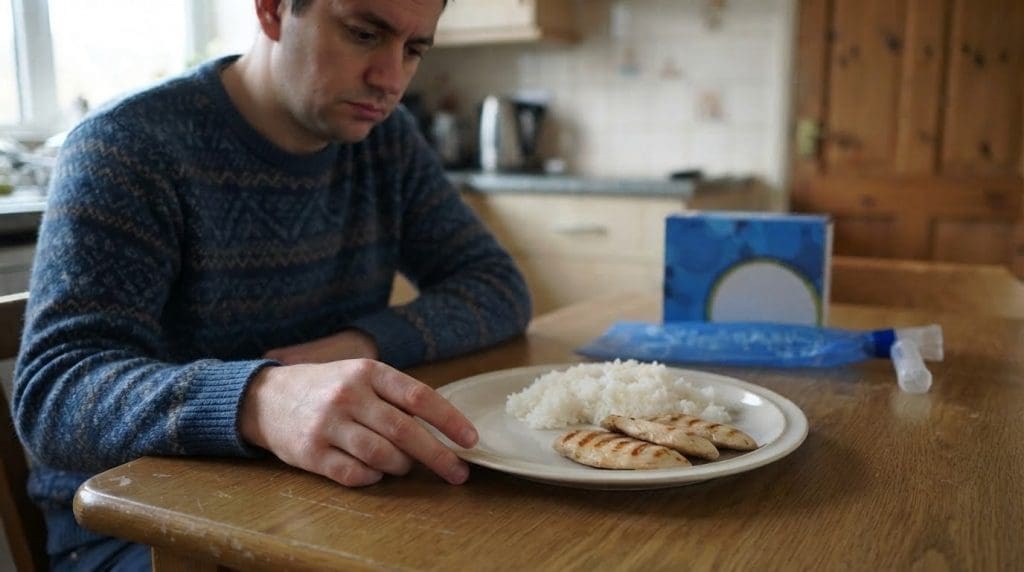
“How long until my SIBO is gone?” is one of the first questions people ask me, and it’s a completely fair one. When bloating, pain or unpredictable bowels have been shaping your days for months or years, you want a finish line.
The honest answer is that for many people, treatment takes several months, even though symptoms often start to ease within a few weeks. And feeling better is not quite the same as being better. The real goal isn’t just a quieter gut this month; it’s understanding why the overgrowth happened, so it’s less likely to come back.
This article explains what shapes the timeline, why small intestinal bacterial overgrowth (SIBO) so often returns, and how we approach it at IBS Clinics.
Key Takeaways
- There’s no single SIBO timeline. A course of treatment usually runs for weeks, but a full programme that includes rebuilding and prevention often takes three to six months or more.
- Symptom relief isn’t the same as resolution. Diet changes can calm symptoms without clearing the overgrowth or addressing what caused it.
- Recurrence is common. In one well-known study, over 40% of people tested positive again within nine months of successful antibiotic treatment.
- The cause matters most. Slow gut movement, low stomach acid, medications, previous surgery and stress can all keep the door open for SIBO to return.
- Methane changes the picture. Methane-dominant overgrowth (now often called IMO) tends to be linked with constipation and, in our experience, can take longer to settle.
- Some symptoms need your GP first. Red-flag symptoms should always be checked medically before assuming SIBO.
How is SIBO treated?
SIBO treatment usually has two jobs: reducing the overgrowth itself, and addressing the conditions in the gut that allowed it to develop. Most approaches focus heavily on the first job. In our experience, the second is where lasting results are won or lost.
Herbal antimicrobials and antibiotics
At IBS Clinics, we’re registered nutritionists rather than prescribers, so herbal antimicrobials are our usual first-line approach. These are carefully chosen plant-based compounds, used in structured courses and tailored to your breath test results and history.
The research here is promising but limited. One retrospective study from Johns Hopkins found that herbal therapy cleared SIBO on a follow-up breath test in 46% of people, compared with 34% of those given the antibiotic rifaximin. The difference wasn’t statistically significant, and the study wasn’t randomised, so it suggests herbal approaches can be comparable rather than proving they are better (Chedid et al., 2014).
Antibiotics such as rifaximin are a valid medical option, and sometimes the right one. Where they may be appropriate, they need to be prescribed by a doctor. We can work alongside your GP or a prescribing doctor so that whichever route you take sits within a joined-up plan. Please don’t start, stop or change any medication without medical advice.
Retesting after treatment
A repeat breath test helps show whether the overgrowth has actually responded, rather than relying on symptoms alone. Timing matters: testing too soon after treatment, or while you’re still on a restricted diet, can give a falsely reassuring result.
In my clinic, I’m pleased by a first negative test, but I don’t treat it as the finish line. What I really want to see is a second negative test around three months later, once you’re back eating a varied, normal diet and the foundations below are in place. That second result tells us far more about whether the change is likely to last.
A realistic SIBO recovery timeline
Every case is different, but a typical programme at IBS Clinics follows a terrain-first sequence built on the 5R framework (Remove, Replace, Reinoculate, Repair, Rebalance). It looks something like this:
- Assess (weeks 0–2): a detailed history, a review of any previous tests, and usually a breath test to clarify the gas pattern.
- Prepare (around 2–4 weeks): supporting digestion, blood sugar balance and bowel regularity so that treatment is better tolerated. This step is often skipped elsewhere, and it makes a real difference.
- Clear (commonly 4–6 weeks per course): targeted herbal antimicrobials, or a prescribed antibiotic where appropriate. Some people need more than one course, particularly with methane.
- Rebuild (around 1–3 months): gradually reintroducing foods, widening diversity and supporting the gut lining and microbiome.
- Protect (ongoing): supporting gut movement, meal spacing, stress and sleep, then retesting to confirm the change is holding.
So while some people feel noticeably better within weeks, three to six months is a realistic window for the whole process, and longer for complex or long-standing cases.
Why treatment may take longer
Treatment often takes longer when something is still feeding the problem. Common contributors include:
- Slow or disrupted gut movement (motility), including after food poisoning or gastroenteritis
- Low stomach acid, including from long-term acid-suppressing medication (proton pump inhibitors, or PPIs)
- Previous abdominal surgery or adhesions
- Underactive thyroid, diabetes or other conditions that slow digestion
- Chronic stress and irregular eating patterns, both of which affect the gut’s natural “cleansing waves” between meals
- Methane-dominant overgrowth, which in our experience is often slower to respond
Repeated courses of antibiotics without addressing these factors can carry side effects and contribute to antimicrobial resistance, which is another reason we focus on the cause, not just the clearance.
Hydrogen vs methane: why the type of SIBO matters
Breath tests measure the gases produced when gut microbes ferment a test sugar. The pattern matters:
- Hydrogen-dominant SIBO is more often associated with diarrhoea, urgency and bloating.
- Methane-dominant overgrowth is produced by microbes called archaea rather than bacteria. It’s now often referred to as intestinal methanogen overgrowth (IMO). It tends to be linked with constipation and a heavy, sluggish bloating, and methane itself appears to slow gut transit.
This distinction affects which antimicrobials are chosen, how long treatment is likely to take, and what support is needed afterwards. Some newer tests also measure hydrogen sulphide, another gas that may be relevant for some people. This is an emerging area and the research is still developing, so we interpret those results with care.
SIBO symptoms during and after treatment
SIBO can cause bloating, wind, abdominal pain, constipation, diarrhoea, nausea and fatigue. In longer-standing cases it may affect how well nutrients are absorbed, contributing to low levels of nutrients such as vitamin B12 or iron. These symptoms overlap with many other digestive conditions, so they can’t confirm SIBO on their own.
“Die-off” reactions
Some people notice a temporary flare in symptoms, such as bloating, fatigue or headaches, in the first days of antimicrobial treatment. This is often called “die-off”. It’s widely reported in clinical practice, but it hasn’t been well studied, and a flare is not a reliable sign that treatment is working. If symptoms are severe, persistent or new, contact the practitioner overseeing your care rather than pushing through.
When symptoms come back
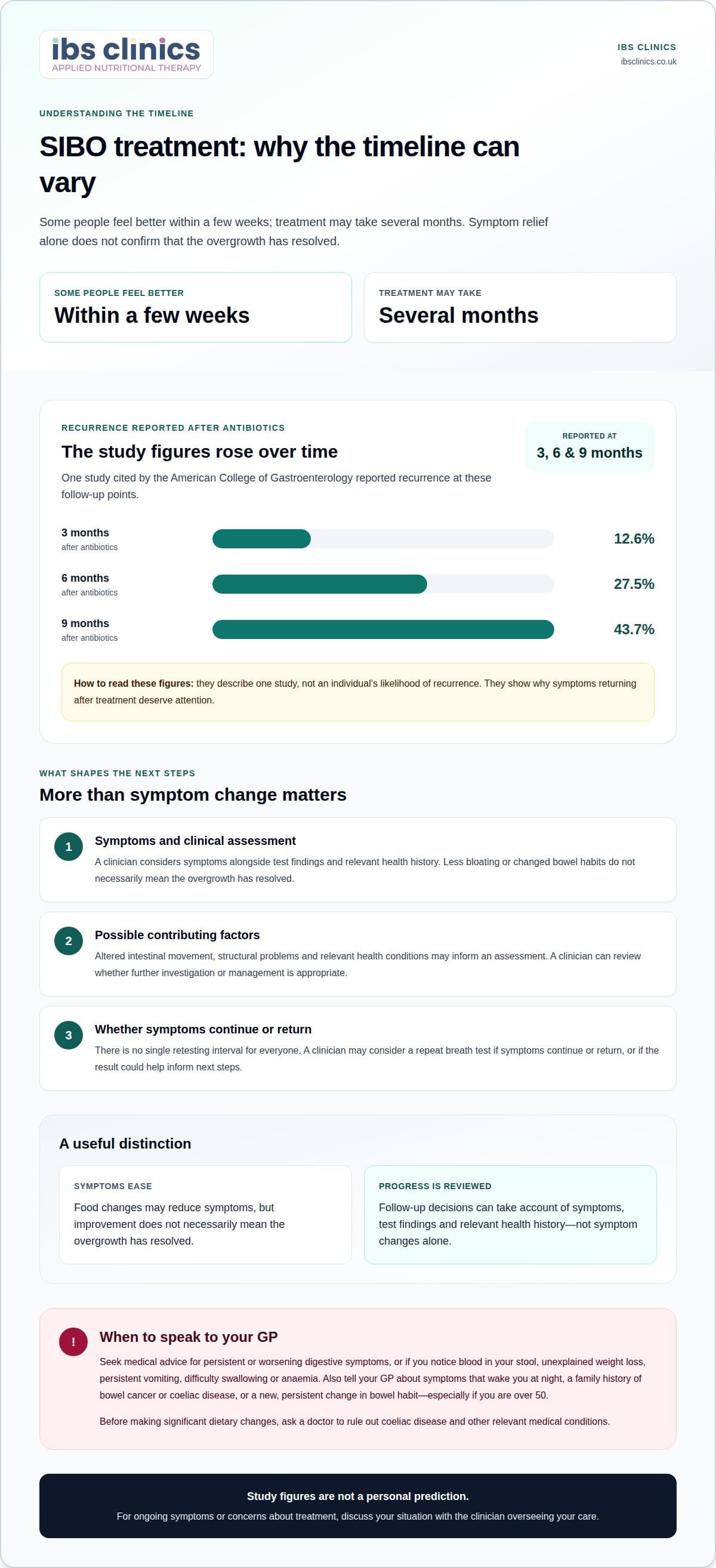
Recurrence is common. In an Italian study of 80 people whose SIBO had cleared on a glucose breath test after rifaximin, 12.6% tested positive again at three months, 27.5% at six months and 43.7% at nine months. Older age, previous appendix removal and long-term PPI use were all linked with a higher chance of recurrence (Lauritano et al., 2008).
These figures come from one study and can’t predict what will happen to you. But they show why we put so much emphasis on the “Protect” phase. You can read more about the wider SIBO picture on our website.
When to see your GP
Bloating, pain and changes in bowel habit can have many causes, so please don’t assume SIBO without the basics being checked. Speak to your GP if symptoms persist, worsen or affect your eating and daily life.
See your GP promptly if you notice:
- Blood in your stool, or black, tarry stools
- Unexplained weight loss
- Persistent vomiting or difficulty swallowing
- Anaemia
- Symptoms that wake you at night
- A new, persistent change in bowel habit, especially if you’re over 50
- A family history of bowel cancer, coeliac disease or inflammatory bowel disease
These signs don’t point to any particular diagnosis, but they need medical review first.
Coeliac testing before you cut out gluten: ask your GP about a coeliac blood test before making big dietary changes. The test is only reliable if you’re still eating gluten regularly, so removing it first can produce a false negative.
It helps to bring a short summary to your appointment: when symptoms started, what makes them better or worse, whether they disturb your sleep, and any diet changes you’ve already tried. We’re always happy to work alongside your GP or consultant.
Why SIBO comes back, and how to reduce the risk
Treating SIBO without asking why it developed is a bit like mopping the floor without fixing the leak. The small intestine normally keeps bacterial numbers low through stomach acid, digestive enzymes, bile, a healthy immune response and the migrating motor complex. That’s the wave of gut movement that sweeps through between meals. When one or more of these defences is weakened, overgrowth can return.
What we look at
As part of our terrain-first approach, we consider:
- Motility: how well the gut is moving, including after a past gut infection
- Digestion: stomach acid, enzyme and bile function
- Medications: including acid-suppressing drugs, opioids and some others that slow the gut
- Structure: previous surgery, adhesions or other anatomical factors (which need medical assessment)
- Blood sugar, stress and sleep: all of which influence gut movement and immunity
- Related conditions: such as underactive thyroid, Crohn’s disease or diabetes
Practical steps that support prevention
Depending on your history, prevention may include:
- Meal spacing: leaving three to four hours between meals to give the gut’s cleansing waves a chance to work
- Motility support: nutritional or, where appropriate, prescribed prokinetic support after treatment
- Blood sugar balance: steady meals that avoid big peaks and dips
- Stress and nervous system support: because the gut–brain connection directly affects digestion
- Rebuilding diversity: a varied diet, reintroduced step by step, rather than long-term restriction
Probiotics are sometimes used too. Some studies suggest certain strains may help, but the research is mixed and of variable quality, so we choose them case by case rather than routinely.
Dietary approaches to managing SIBO
Diet can make a big difference to how you feel day to day, but easing symptoms with food isn’t the same as clearing SIBO. It also can’t diagnose it, as other digestive conditions respond to similar changes.
Low FODMAP and SIBO-specific diets
A low FODMAP diet reduces certain fermentable carbohydrates that can drive gas and bloating. It can be a helpful short-term tool during treatment, but it’s designed to be temporary. Foods should then be reintroduced in stages to find out what you genuinely tolerate.
Staying restricted for too long can reduce the diversity of foods that a healthy microbiome relies on. It can also make eating stressful and socially isolating. Reintroduction isn’t an optional extra; it’s part of getting well.
Elemental diet
An elemental diet replaces food with a nutritionally complete liquid formula for a set period. In one study of people with IBS and an abnormal breath test, 80% had a normal test after 14 days, rising to 85% after 21 days (Pimentel et al., 2004). It is demanding, however: the taste is challenging, it isn’t suitable for everyone, and it needs professional supervision. It’s usually reserved for specific situations rather than used as a first step.
Keeping it safe
Significant dietary changes need guidance, particularly if you’ve lost weight, have nutritional concerns or another health condition. A food and symptom diary can be really useful for spotting patterns, as long as we treat those patterns as clues rather than a diagnosis.
SIBO breath testing at IBS Clinics
IBS Clinics is a specialist digestive health practice run by registered nutritionists. We offer SIBO breath testing that measures both hydrogen and methane, so we can see which gas pattern is involved.
The test is done at home. After a preparation diet the day before, you drink a measured sugar solution and collect breath samples at set intervals over a couple of hours.
Breath tests are useful, but they have limitations. Results can be affected by preparation, transit speed and the test sugar used, so we always interpret them alongside your symptoms and history. Testing isn’t necessary for everyone, and we’ll be honest with you about whether it’s likely to change what we do.
We work with people across the UK via Zoom, many of whom have already tried several approaches without lasting improvement. Where it’s helpful, we work alongside GPs, consultants and prescribing doctors.
Your next step
If you’re wondering how long it will take to get rid of your SIBO, a better first question might be: what’s driving mine? Once that’s clearer, the timeline becomes much easier to plan, and recovery is far more likely to last.
If you’d like to talk it through, book a free 15-minute introductory chat with IBS Clinics. There’s no pressure to commit to any test or programme. It’s simply a chance to ask questions and see whether our approach feels right for you.
Frequently Asked Questions
What is the fastest way to cure SIBO?
There isn’t a single fastest route that suits everyone, and speed alone isn’t the right goal. Antibiotics, herbal antimicrobials and elemental diets can all reduce overgrowth, but without addressing the underlying cause, SIBO frequently returns. A slightly slower, more thorough approach often saves time in the long run.
Can SIBO be cured, or will it go away on its own?
SIBO can resolve with the right treatment, but it doesn’t usually clear by itself, and it can return if contributing factors remain. If symptoms persist or come back, it’s worth revisiting both the diagnosis and the underlying drivers rather than repeating the same treatment or restricting your diet further.
How long does SIBO last?
There’s no fixed duration. Symptoms often improve within a few weeks of starting treatment, but a complete programme, including rebuilding and prevention, typically takes three to six months. Long-standing, methane-dominant or more complex cases can take longer.
How can I prevent SIBO from recurring?
Focus on the cause. Supporting gut movement, leaving gaps between meals, managing blood sugar and stress, and reviewing medications with your GP can all help. Retesting once you’re back on a normal diet helps confirm that the improvement is holding.
How does SIBO affect you over time?
Untreated or recurring SIBO can lead to ongoing bloating, pain and altered bowel habits. In some cases it may affect nutrient absorption, contributing to deficiencies such as B12 or iron, or to unintended weight loss. These need medical review, as other conditions can cause similar problems.
Is SIBO common in people with IBS?
SIBO and IBS share many symptoms, and research suggests SIBO is found more often in people with IBS than in those without. However, estimates vary widely depending on the test and cut-off used, and the relationship is still debated. An IBS diagnosis doesn’t mean you have SIBO, and a breath test result is most meaningful when interpreted alongside your full history.
Tracey Randell is a Registered Nutritionist and IFM Certified Practitioner (Dip BCNH, IFMCP, mBANT, CNHC), specialising in complex digestive health. She founded IBS Clinics in 2011 and has spent more than 15 years supporting people with SIBO, IMO, SIFO, dysbiosis and long-standing IBS, many of whom have tried several approaches without lasting improvement.
Tracey’s approach is terrain-first. She looks beyond symptoms to the whole gut environment, including digestion, motility, the microbiome, blood sugar and stress. She works with clients across the UK via Zoom, alongside GPs and consultants where appropriate.

Article by
Tracey Randell
Tracey Randell is a Registered Nutritionist and IFM Certified Practitioner (Dip BCNH, IFMCP, mBANT, CNHC), specialising in complex digestive health. She founded IBS Clinics in 2011 and has spent more than 15 years supporting people with SIBO, IMO, SIFO, dysbiosis and long-standing IBS, many of whom have tried several approaches without lasting improvement.
Tracey’s approach is terrain-first. She looks beyond symptoms to the whole gut environment, including digestion, motility, the microbiome, blood sugar and stress. She works with clients across the UK via Zoom, alongside GPs and consultants where appropriate.