

Post Infectious Irritable Bowel Syndrome (IBS), often abbreviated as PI-IBS, is a type of IBS that can develop after a gastrointestinal infection. Following an episode of food poisoning, bacterial gastroenteritis, or viral stomach flu, some individuals experience lasting changes in their digestive health, leading to the development of chronic symptoms characteristic of IBS. These include abdominal pain, bloating, diarrhoea, or constipation that persist long after the initial infection has cleared.
While all types of IBS involve a range of digestive symptoms, post-infectious IBS has unique features linked to its sudden onset following an infection. Unlike other forms of IBS that may develop gradually or be related to factors like diet or stress, PI-IBS is directly tied to a triggering infection, marking it as a distinct subset. If you are looking for help working out the underlying cause of your gut health symptoms, our IBS Test kits can detect intolerance to over 200 common foods.
For more information on gut health testing, you can read our article on How to Test Microbiome? For now though, this article explores the symptoms, potential treatment options, and recovery prospects for those affected by post-infectious IBS, offering a practical guide for managing and understanding this condition.
Common Symptoms of Post Infectious IBS

Post Infectious IBS, or PI-IBS, shares many familiar IBS symptoms, including abdominal pain, bloating, and unpredictable changes in bowel habits. You might find yourself experiencing diarrhoea and constipation in an alternating pattern, leading you to feel that you have no control over your symptoms.
However, there are some telltale signs that make PI-IBS unique. A key difference is its sudden onset: PI-IBS symptoms often start right after a nasty bout of food poisoning or a stomach bug. It can feel almost as though a storm rolls in overnight; one day, your digestive health feels relatively stable, and the next, it’s in complete disarray. This “before-and-after” change is a common experience for those with PI-IBS, giving it a distinct profile compared to other IBS types [1].
Another difference is that some people with PI-IBS may notice unexpected weight loss. This isn’t universal, but it can happen when eating becomes uncomfortable or food is avoided because of the fear of triggering symptoms. Some sufferers begin to feel like every meal is like a gamble, so it’s natural that some people respond by eating less or sticking to “safe” foods, such as plain rice, oats and clear soup. Additionally, because PI-IBS can impact digestion, your body may not absorb nutrients quite as efficiently, which can also contribute to weight changes [2].
By understanding these differences, you can gain insight into what’s happening in your body, hopefully making this new normal feel a little less bewildering.
Checklist: Could You Be Experiencing Symptoms of Post Infectious IBS?
If you’ve had a recent bout of food poisoning, gastroenteritis, or a similar infection and are noticing ongoing digestive issues, you may be dealing with Post Infectious IBS (PI-IBS). Here’s a quick checklist to help you identify if your symptoms align with PI-IBS. While this list isn’t a substitute for medical advice, it may offer insight into whether your symptoms are typical for this condition.
Checklist for PI-IBS Symptoms:
- 1. Recent Infection
Have you had a bacterial or viral gastrointestinal infection within the past few weeks or months? - 2. Change in Bowel Habits
Are you experiencing a change in your normal bowel habits, such as frequent loose or watery bowel movements, constipation, or alternating between the two? - 3. Persistent Abdominal Pain
Are you noticing recurring or persistent cramping or pain in the abdomen that wasn’t there before the infection? - 4. Bloating and Discomfort
Do you often feel bloated or experience discomfort after meals, even with foods that used to be fine? - 5. Sensitivity to Certain Foods
Have you noticed that certain foods now trigger digestive symptoms that didn’t cause issues before? - 6. Fatigue or Low Energy
Are you experiencing fatigue or low energy levels, which can sometimes accompany PI-IBS? - 7. Unintended Weight Changes
Have you noticed any unintended weight loss, which can happen due to appetite changes or discomfort when eating? - 8. Worsening Symptoms with Stress
Do your symptoms seem to worsen during periods of stress or anxiety?
If you checked off several items on this list, it might be worth discussing your symptoms with a healthcare provider who can help determine if PI-IBS is a possibility. A personalised approach to managing these symptoms, such as the services offered by IBS Clinics, can help you navigate and alleviate PI-IBS effectively.
Criteria for Diagnosing Post Infectious IBS

Diagnosing Post Infectious IBS (PI-IBS) involves specific criteria aimed at differentiating it from other types of IBS. In the UK, the NHS and other health organisations focus on certain key indicators before confirming a PI-IBS diagnosis. One of the primary criteria is the abrupt onset of IBS symptoms following a significant gastrointestinal infection, such as food poisoning or gastroenteritis. Typically, symptoms begin to surface within a few weeks after the infection seems to have cleared, creating a clear “before and after” in digestive health. This pattern is unique to PI-IBS and helps distinguish it from other forms of IBS [3].
The diagnosis process also relies on official diagnostic guidelines, such as those outlined in the Rome IV Criteria, which provide a framework for identifying functional gastrointestinal disorders. According to these criteria, a diagnosis of PI-IBS requires recurrent abdominal pain along with changes in bowel habits linked specifically to a recent infection, while ruling out other potential causes such as inflammatory bowel disease [4].
If you’ve noticed persistent symptoms like bloating, abdominal pain, or changes in bowel habits after an infection, discussing these with a healthcare provider can be reassuring. They will consider these criteria and potentially perform some tests to rule out other conditions, helping guide you towards effective management for PI-IBS.
Post Infectious IBS Recovery Time: How Long Does It Last?
The recovery time for Post Infectious IBS (PI-IBS) can vary significantly from person to person. For some, symptoms may gradually ease within a few months, while others may experience digestive issues for years. Studies suggest that around 40% of people with PI-IBS see an improvement in their symptoms within a year, but others may continue to manage symptoms for longer periods [3].
Several factors influence recovery time. The severity of the initial infection often plays a role, as those who had a particularly intense or prolonged bout of food poisoning or gastroenteritis may find symptoms persist for longer. Additionally, stress levels, diet, and overall gut health can also impact the pace of recovery, with stress and dietary triggers sometimes prolonging symptoms.
Does Post Infectious IBS Go Away By Itself?
Whether PI-IBS “goes away” depends on each individual’s response to symptom management and lifestyle adjustments. While some people do experience a complete resolution of symptoms, others may find that symptoms linger or fluctuate over time. In cases where symptoms are persistent, management strategies, including dietary adjustments, stress reduction techniques, and sometimes medication, can help keep PI-IBS under control.
For many, PI-IBS is a condition that improves gradually with lifestyle modifications and targeted treatments. With the right approach, there’s hope for symptom relief and, for some, even full recovery [4].
Effective Treatments for Post Infectious IBS: Can It Be Cured?
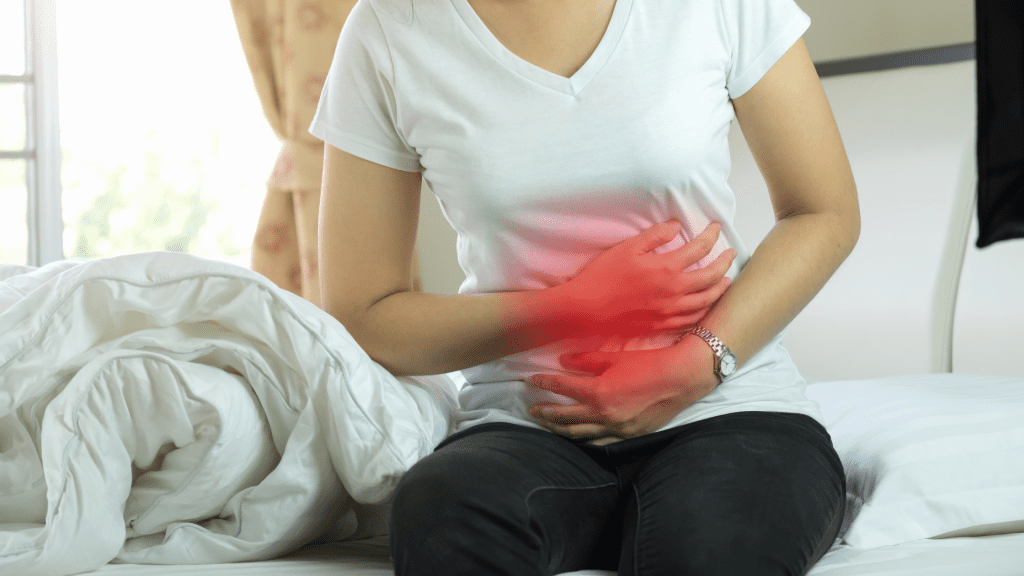
When it comes to managing Post Infectious IBS (PI-IBS), a variety of treatment options can help alleviate symptoms and improve quality of life, although achieving a complete “cure” remains challenging. PI-IBS is often managed rather than cured, with treatment focusing on symptom relief and long-term management. Here’s an overview of NHS-recommended options and holistic approaches that may be effective in managing PI-IBS symptoms.
NHS Medical Treatments and Symptom Management
For PI-IBS, NHS treatment options often include medications that target specific symptoms. These can involve antispasmodics to reduce cramping, anti-diarrhoeal medications, or fibre supplements for constipation. Doctors may also recommend dietary changes, like reducing FODMAPs (fermentable carbs), which are known to trigger symptoms in some IBS patients [3].
Alongside medication, the NHS often suggests Cognitive Behavioural Therapy (CBT) or gut-directed hypnotherapy for managing the gut-brain connection, which plays a key role in IBS. These therapies can be especially helpful if stress or anxiety is contributing to symptoms, as they work on calming the nervous system’s impact on gut function.
Holistic Approaches and Lifestyle Modifications
Many people with PI-IBS also find relief through holistic or lifestyle adjustments. These can include:
- Dietary Adjustments: Many individuals benefit from a low-FODMAP diet or experimenting with “safe” foods that are gentle on the gut, such as rice, boiled potatoes, and plain proteins.
- Probiotics and Prebiotics: Some studies suggest that probiotics may help balance gut bacteria after an infection, though responses vary, and it can take time to find a product that suits you.
- Mind-Body Practices: Techniques like yoga, mindfulness, and breathing exercises can be beneficial in reducing stress levels, which in turn may help calm the gut and lessen symptoms.
Can Post Infectious IBS Be Cured?
Currently, there is no definitive cure for PI-IBS, and the focus remains on managing symptoms and improving quality of life. While some people do experience full remission, others find that symptoms persist but can be controlled through lifestyle adjustments and targeted treatments. PI-IBS is a chronic condition for many, but with the right approach, significant symptom improvement is achievable.
The key to managing PI-IBS lies in finding a combination of treatments that work for you, helping you to regain control over your digestive health. With time, many people are able to reach a stable and manageable state, even if a complete cure remains elusive [4].
A Functional Medicine Perspective on Post Infectious IBS

Functional medicine offers a holistic approach to managing Post Infectious IBS (PI-IBS), viewing it not as a standalone issue but as part of the broader picture of overall health. This perspective focuses on identifying and addressing the root causes of symptoms, considering the interconnected nature of bodily systems, and developing an individualised treatment plan. Here’s how a functional medicine approach can play a role in managing PI-IBS effectively.
Restoring Gut Health and Balance
A core principle in functional medicine for PI-IBS involves restoring a healthy balance in the gut microbiome, especially after the disruption caused by infection. Practitioners may recommend a personalised regimen of probiotics and prebiotics to rebalance gut bacteria, aiming to reduce the prevalence of harmful bacteria and promote a healthy microbial environment. Certain strains of probiotics, such as Bifidobacterium and Lactobacillus, are often recommended for their role in easing IBS symptoms, though it can take some experimentation to find the strains that work best for each individual [5].
Addressing Food Sensitivities and Dietary Adjustments
A functional medicine perspective also emphasises the importance of recognising and managing food sensitivities that may exacerbate PI-IBS symptoms. An elimination diet or a low-FODMAP approach may be used to identify trigger foods. Rather than a one-size-fits-all approach, functional medicine tailors dietary recommendations to each individual’s needs, often introducing nutrient-dense foods that are both nourishing and less likely to cause irritation.
Supporting the Gut-Brain Connection
Functional medicine acknowledges the impact of stress and emotional health on digestive function, often recommending mind-body practices as part of an integrated plan. Techniques like mindfulness meditation, guided imagery, and yoga are common recommendations. By focusing on the gut-brain connection, functional medicine aims to reduce the influence of stress and anxiety on gut function, recognising how mental and physical health are deeply intertwined in PI-IBS.
Healing the Gut Lining and Reducing Inflammation
PI-IBS is often associated with gut inflammation or a compromised gut lining due to the initial infection. Functional medicine practitioners may recommend supplements such as L-glutamine to support gut lining repair, alongside anti-inflammatory nutrients like omega-3 fatty acids, curcumin (from turmeric), and zinc. These can help soothe inflammation, potentially leading to a reduction in PI-IBS symptoms over time.
Functional Lab Testing for Personalised Treatment
In addition to standard medical tests, functional medicine often includes advanced lab testing to gather detailed information about gut health, nutrient levels, and inflammatory markers. Tests like a comprehensive stool analysis can identify bacterial imbalances, while breath tests can help detect small intestinal bacterial overgrowth (SIBO), a condition linked to PI-IBS [6]. These results help tailor a targeted treatment plan that addresses underlying causes rather than merely alleviating symptoms.
Is Functional Medicine a Cure?
Functional medicine doesn’t claim to “cure” PI-IBS, but it offers a pathway to substantial improvement by treating the whole person, not just the symptoms. This approach can be particularly beneficial for individuals who haven’t found relief through conventional treatments alone. By focusing on personalised, root-cause-driven care, functional medicine aims to help individuals achieve greater control over PI-IBS, enhancing quality of life and promoting long-term digestive health.
Getting Support for Post Infectious IBS
If you’re dealing with Post Infectious IBS (PI-IBS), finding the right support can make a significant difference in managing symptoms and improving quality of life. Here are a few routes to explore for both medical and community-based support:
- Professional Healthcare Support
- GP and NHS Services: Your GP can be a valuable first point of contact, helping you access tests to rule out other conditions and referring you to an IBS specialist if needed. The NHS may also provide access to dietitians who can guide you through a low-FODMAP or elimination diet, as well as Cognitive Behavioural Therapy (CBT) or gut-directed hypnotherapy for symptom management, but availability depends on local service availability.
- Functional Medicine Practitioners: For a more holistic approach, consider consulting a functional medicine practitioner. They often offer personalised care plans that address gut health, diet, and the gut-brain connection, providing you with tools to manage PI-IBS from multiple angles.
- IBS Clinics and Private Gastroenterologists
Private clinics, like we at IBS Clinics, specialise in conditions like PI-IBS and can offer a range of services, from advanced diagnostic tests to tailored dietary support and holistic treatments. If you’re looking for additional options outside the NHS, a private gastroenterologist can also provide more specialised care, sometimes with shorter waiting times.
- Support Groups and Online Communities
Connecting with others who have PI-IBS can be reassuring and offer practical insights. Online communities, like IBS support groups on Reddit or dedicated forums, allow you to share experiences, ask questions, and pick up tips from people who have been through similar challenges. While these groups don’t replace medical advice, they can offer emotional support and a sense of community.
- Lifestyle and Mental Health Resources
Because stress and emotional health often impact PI-IBS, mental health resources can be valuable. Support networks like Mind or local mental health services can provide tools to manage anxiety, which may help alleviate symptom flare-ups. Practices like yoga, meditation, or guided imagery can also be useful in building resilience to stress, positively affecting your digestive health.
- Educational Resources and Webinars
Staying informed about PI-IBS can empower you to make better choices in managing the condition. Look out for webinars, workshops, and resources from organisations like The IBS Network or your local IBS clinic. These resources often provide the latest information on treatment options and lifestyle strategies for living with PI-IBS.
Exploring these options can help you find the support you need to manage PI-IBS effectively. Each route provides different types of guidance, so a combination of professional advice, community support, and personal lifestyle adjustments can be particularly effective in managing symptoms and enhancing wellbeing.
FAQs on Post Infectious IBS

Can Post Infectious IBS cause other health issues?
Yes, some individuals may experience related issues, such as fatigue, anxiety, or food sensitivities, as their body adapts to changes in gut function. Addressing these issues alongside PI-IBS can help improve overall wellbeing.
Are there specific foods I should completely avoid with PI-IBS?
Everyone’s triggers are different, but high-FODMAP foods like onions, garlic, and certain fruits (e.g., apples, pears) are often avoided during flare-ups. Working with a dietitian can help you identify foods that are safe and nourishing.
Is there a risk of dehydration with PI-IBS?
If diarrhoea is a frequent symptom, dehydration can be a concern. Staying hydrated by drinking plenty of water, and sometimes adding electrolytes, can help maintain hydration levels, especially during flare-ups.
Does exercise help with PI-IBS symptoms?
Moderate exercise, like walking or yoga, can support digestion and reduce stress, which may help with symptom management. However, intense exercise may exacerbate symptoms for some, so it’s best to start slowly and see how your body responds.
Can PI-IBS affect mental health?
Yes, the gut-brain connection means that ongoing digestive issues can sometimes increase anxiety or affect mood. Techniques like mindfulness, CBT, or hypnotherapy can be beneficial for managing the mental health impacts of PI-IBS.
Is PI-IBS hereditary?
There isn’t strong evidence that PI-IBS itself is hereditary, but a family history of IBS or other digestive issues may indicate a predisposition to developing IBS symptoms. PI-IBS is more often linked to an infectious trigger than to genetics.
Conclusion
Living with Post Infectious IBS can feel overwhelming, especially with the range of symptoms that can persist long after an initial infection. However, with the right combination of treatments, lifestyle adjustments, and support, many people find effective ways to manage and even reduce the impact of PI-IBS on their daily lives. From dietary modifications to holistic approaches that consider the whole person, there are many options available for relieving symptoms and improving quality of life.
At IBS Clinics, we’re dedicated to providing comprehensive, personalised care for individuals with PI-IBS. Our approach combines advanced diagnostics, dietary support, and expert guidance to create a tailored management plan designed around your unique needs.
Whether it’s through nutrition advice, gut-brain therapy, or functional testing to uncover underlying issues, IBS Clinics offers a wide range of solutions to help you find relief and support your journey to better digestive health. For more information on how we can help, visit our How We Can Help You page.
References
- Spiller, R., & Garsed, K. (2009). “Postinfectious irritable bowel syndrome.” Gastroenterology, 136(6), 1979-1988.
- Thabane, M., & Marshall, J. K. (2009). “Post-infectious irritable bowel syndrome.” World Journal of Gastroenterology, 15(29), 3591-3596. Available at: https://www.ncbi.nlm.nih.gov/pmc/articles/PMC2721654/
- Ghoshal, U. C., Shukla, R., & Ghoshal, U. (2012). “Small intestinal bacterial overgrowth and irritable bowel syndrome: A bridge between functional organic dichotomy.” Gut and Liver, 6(3), 273–284. Available at: https://www.ncbi.nlm.nih.gov/pmc/articles/PMC3435430/
- Drossman, D. A., & Hasler, W. L. (2016). “Rome IV-Functional GI Disorders: Disorders of Gut-Brain Interaction.” Gastroenterology, 150(6), 1257–1261. Available at: https://www.gastrojournal.org/article/S0016-5085(16)00218-3/fulltext
- Ianiro, G., et al. (2019). “Probiotics in IBS and SIBO: A Review.” Nutrients, 11(5), 1070. Available at: https://www.mdpi.com/2072-6643/11/5/1070
- Rezaie, A., et al. (2017). “Hydrogen and Methane-Based Breath Testing in Gastrointestinal Disorders: The North American Consensus.” American Journal of Gastroenterology, 112(5), 775–784. Available at: https://journals.lww.com/ajg/fulltext/2017/05000/hydrogen_and_methane_based_breath_testing_in.14.aspx
Author – Tracey Randell
At IBS Clinics, Tracey Randell, a renowned Nutritional Therapist and one of the few IFM Certified Practitioners in the UK, extends her specialised knowledge and unique approach to managing and treating IBS and other gut-related conditions effectively.
Tracey’s profound understanding of Functional Medicine allows her to connect the dots for complex health conditions, identifying and addressing the root causes to curate personalised and comprehensive health plans for her patients. Her holistic approach focuses on resolving underlying imbalances and optimising gut health, enabling the body to correct other issues and attain overall well-being.
At IBS Clinics, we are dedicated to being your partner in navigating your gut-related health concerns, offering expert care and individualised treatment plans to alleviate your IBS symptoms and enhance your quality of life.
You can read more about Tracey on our About page here.
DISCLAIMER: The information provided in this article is intended for general informational purposes only and should not be construed as medical advice, diagnosis, or treatment. The products and methods mentioned are not a substitute for professional medical advice from a trained healthcare specialist. Always seek the guidance of your doctor or other qualified health professional with any questions you may have regarding your health or a medical condition. Never disregard professional medical advice or delay in seeking it because of something you have read on this website. Use of the information and products discussed is at your own risk.


